Back

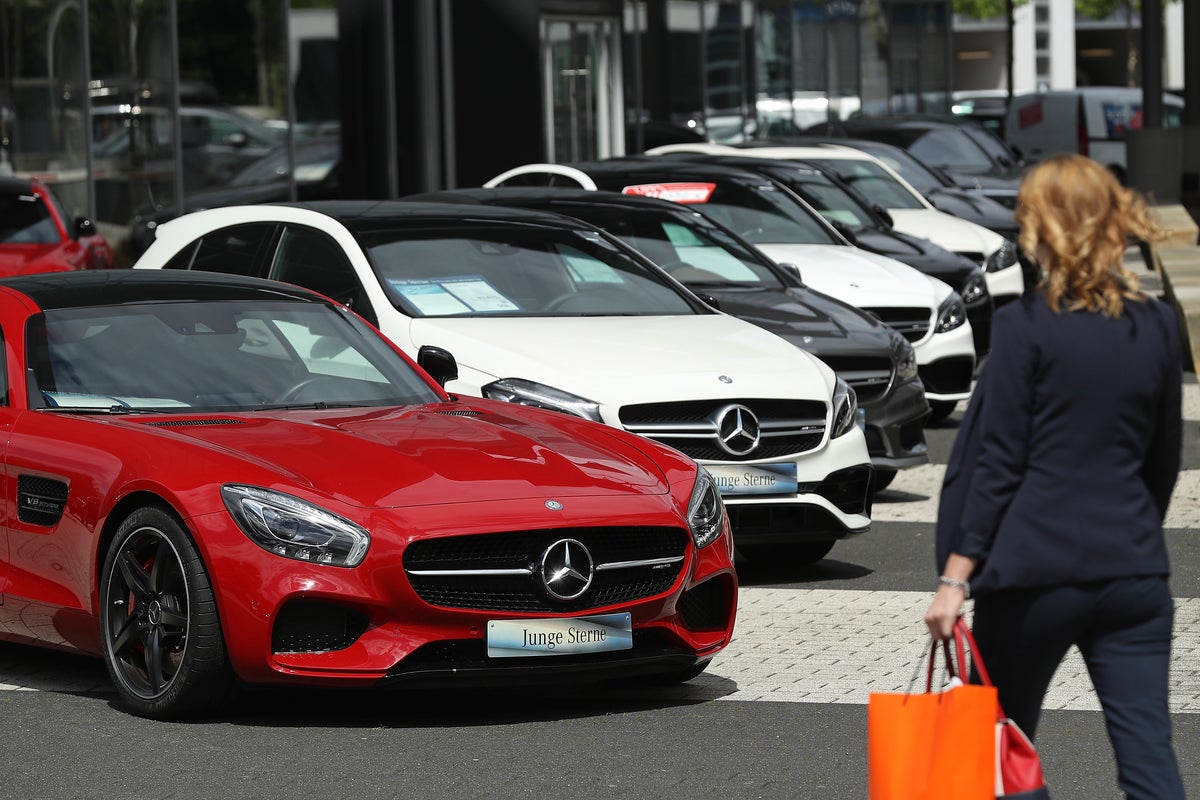
Bipartisan Bill Threatens Mercedes-Benz's U.S. Market Access Due to Chinese Ties

Severity: Medium (Score: 58.0)

Sources: Independent, Al

Published: 2026-05-30 · Updated: 2026-05-31

Keywords: congress, mercedes-benz, vehicles, bill, china, shut, auto

Severity indicators: rce

Summary

A new bipartisan bill in Congress, the Motor Vehicle Modernization Act of 2026, aims to limit Chinese influence in the U.S. auto industry. It could inadvertently ban Mercedes-Benz from the U.S. market due to its largest shareholder, BAIC, a Chinese state-owned automaker. The bill prohibits automakers with any foreign-adversary government ownership from manufacturing, selling, or importing vehicles in the U.S. for five years. Mercedes-Benz's ownership structure, with BAIC holding 9.98% and another Chinese billionaire holding 9.69%, puts it at risk. The legislation is currently under consideration in the House, and its language remains ambiguous, leading to uncertainty about enforcement. If passed, it could also impact other automakers with Chinese investments. The bill's proponents cite national security concerns regarding foreign ownership in the auto sector. Key Points: • The Motor Vehicle Modernization Act of 2026 could ban Mercedes-Benz from the U.S. market. • Mercedes-Benz's ties to Chinese state-owned BAIC make it vulnerable under the proposed legislation. • The bill aims to restrict foreign adversary influence in the U.S. auto industry, affecting multiple automakers.

Detailed Analysis

**Impact** Mercedes-Benz faces potential exclusion from the U.S. auto market due to the Motor Vehicle Modernization Act of 2026, which targets companies with direct or indirect ownership ties to foreign adversaries, including China. The automaker’s largest shareholder, BAIC (a Chinese state-owned company), holds 9.98% of shares, and Chinese billionaire Li Shufu holds 9.69%, totaling 19.6% foreign ownership. This could disrupt Mercedes-Benz’s U.S. operations, affecting over 10,000 employees and major assembly plants in Alabama and South Carolina, with potential losses in production and exports of hundreds of thousands of vehicles annually. The bill’s enforcement could also impact other automakers with Chinese investment. **Technical Details** The articles do not provide information on attack vectors, TTPs, malware, CVEs, or infrastructure related to this legislative event. No cyber intrusion or technical exploitation details are mentioned. This is a regulatory and ownership-based risk rather than a cyberattack. **Recommended Response** Defenders should monitor legislative developments and regulatory guidance for clarifications on ownership thresholds and exemptions. Mercedes-Benz and similar companies should assess and potentially restructure ownership stakes to comply with the bill’s requirements. No technical cybersecurity mitigations are applicable; focus should be on corporate governance and compliance monitoring.

Source articles (2)

  • Bill targeting China could shut Mercedes-Benz out of US auto market — Al · 2026-05-30
    New bipartisan legislation before the U.S. Congress could potentially shut out Mercedes-Benz from the lucrative American market, strangely enough, by aiming to restrict China. CNBC is reporting that t…
  • Congress is looking to ban Chinese-made vehicles in US - but could take out Mercedes — Independent · 2026-05-30
    A new bipartisan bill in Congress aimed at limiting Chinese influence in the U.S. auto industry could end up banning new Mercedes-Benz vehicles in the United States. The Motor Vehicle Modernization Ac…

Timeline

  • 2026-05-30 — Congress introduces Motor Vehicle Modernization Act: The bipartisan bill aims to limit foreign adversary influence in the U.S. auto industry, potentially banning Mercedes-Benz.
  • 2026-05-30 — Mercedes-Benz's shareholder structure raises concerns: BAIC, a Chinese state-owned automaker, holds a significant stake in Mercedes-Benz, risking its U.S. operations.
  • 2026-05-30 — Legislation remains under consideration: The bill has not yet advanced to the Senate, and its language is still being debated in the House.

Related entities

  • China (Country)
  • Germany (Country)
  • North Korea (Country)
  • Russia (Country)
  • United States (Country)
Loading threat details...

Threat Not Found

The threat cluster you're looking for doesn't exist or has been removed.

Return to Feed