 www.gov.cn
 China Implements Regulations Against Foreign Extraterritorial Jurisdiction
Article Content

- •China's new regulations target foreign extraterritorial jurisdiction to protect national interests.
- •The government can blacklist foreign entities involved in improper jurisdiction actions.
- •Coordinated efforts among multiple departments are mandated to address these foreign measures.
On May 7, 2026, China announced new regulations aimed at countering improper extraterritorial jurisdiction by foreign states. The regulations are designed to protect the rights of Chinese citizens and organizations, asserting China's sovereignty against foreign interference. The measures allow the Chinese government to take counteractions against foreign jurisdictions that violate international law and harm China's interests. Key provisions include the establishment of a mechanism for identifying and responding to foreign extraterritorial measures, as well as the ability to blacklist foreign entities involved in such actions. The regulations emphasize cooperation among various government departments to ensure a coordinated response. This move is part of a broader strategy to enhance national security and uphold China's legal rights internationally.
Ask AI about this cluster
Answers cite the sources they use
Timeline
More articles in this cluster (2)
Continue Reading
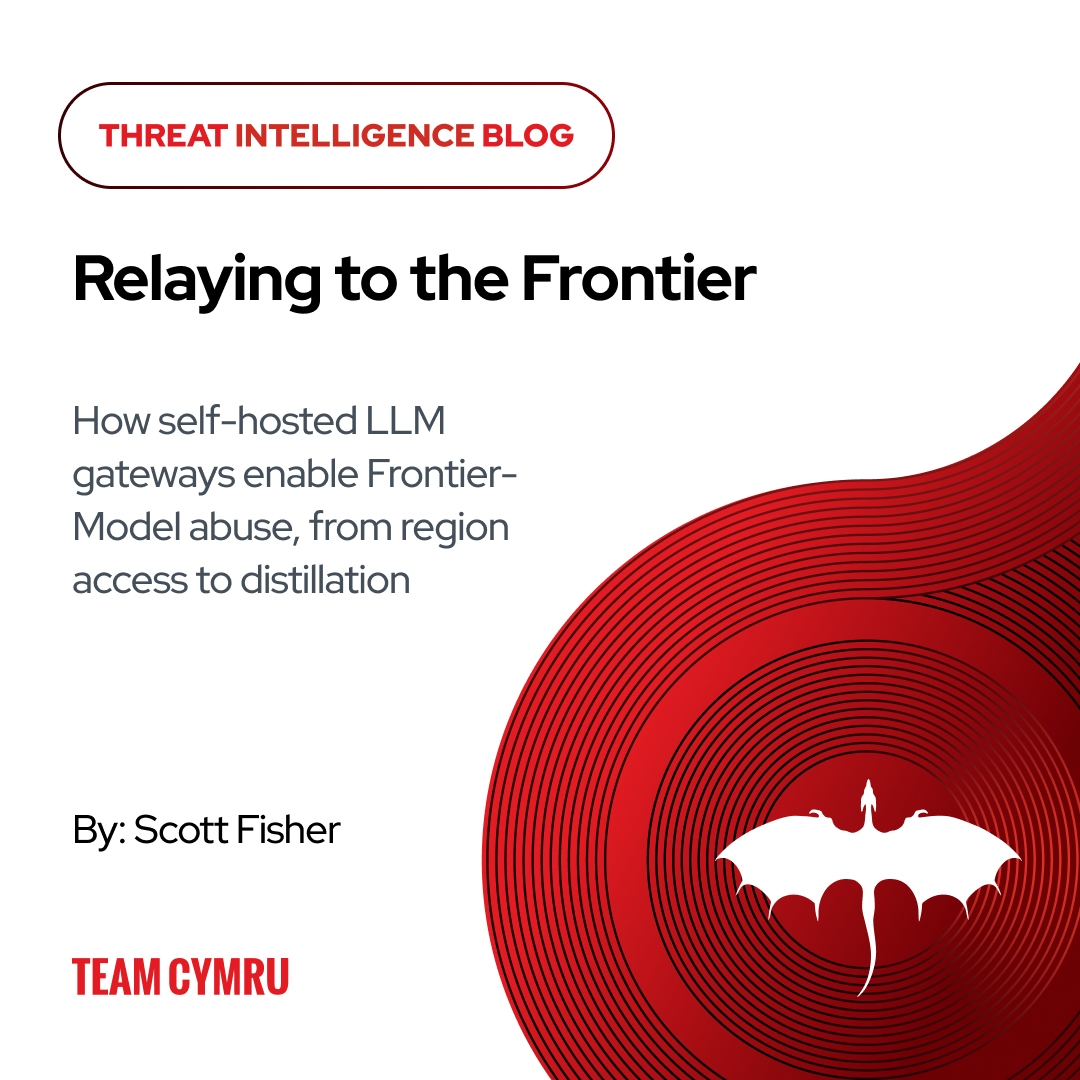 Massive Network of AI Proxy Servers Used for Malicious Activities Uncovered Security researchers from Team Cymru have identified over 10,000 proxy servers in China facilitating malicious AI activities. These servers, termed 'transfer stations,' are primarily used to bypass geographic restrictions and conduct model distillation attacks against frontier AI models. The infrastructure allows…
  Critical RCE Vulnerability in F5 BIG-IP APM Exploited in the Wild A severe heap-based buffer overflow vulnerability, tracked as CVE-2026-94127, has been identified in F5 BIG-IP Access Policy Manager (APM), allowing unauthenticated remote code execution (RCE) on the Traffic Management Microkernel (TMM) data plane. This vulnerability is triggered when both an APM access policy and an…