 www.theepochtimes.com
 China Intensifies Surveillance of Overseas Returnees Amid Anti-Espionage Campaign
Article Content

- •Overseas returnees in China are facing increased surveillance and scrutiny.
- •Local authorities label some returnees as potential 'foreign forces' amid anti-espionage efforts.
- •The community surveillance system encourages reporting of dissenting opinions and behaviors.
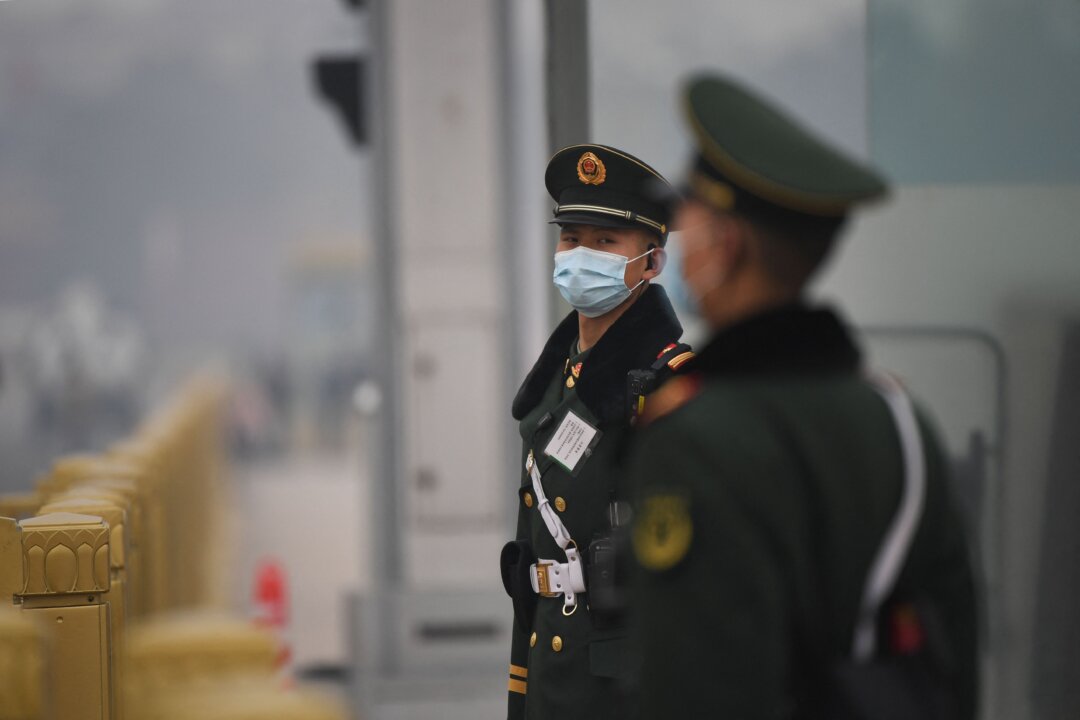
China's grassroots surveillance network has expanded to monitor overseas returnees, including students and emigrants, who are increasingly labeled as potential 'foreign forces.' This scrutiny is part of Beijing's intensified anti-espionage campaign, which coincides with rising concerns over 'hostile foreign forces.' Local grid management systems are tasked with tracking returnees' speech, social contacts, and daily activities, creating an atmosphere of fear and suspicion. Reports indicate that community workers are instructed to compile statistics on returnees and report any politically or socially risky behavior. The term 'lying flat' has emerged in this context, referring to a trend among young people disengaging from traditional life goals, which authorities attribute to foreign influence. The situation is particularly concerning for those with media backgrounds, who are viewed as politically suspicious. Overall, the campaign reflects a broader strategy to control dissent and monitor individuals with overseas connections.
Ask AI about this cluster
Answers cite the sources they use
Timeline
More articles in this cluster (2)
Continue Reading
 Critical WSO2 API Manager Vulnerability Under Active Exploitation A critical vulnerability (CVE-2026-5430) in WSO2 API Manager is being actively exploited, allowing unauthenticated attackers to forge admin tokens via JWT authentication bypass. This flaw, which has a CVSS score of 10.0, affects multiple WSO2 products including API Manager, Universal Gateway, Traffic Manager, and API…
  Critical Linux Kernel Vulnerability CVE-2025-39682 Under Active Exploitation A critical vulnerability (CVE-2025-39682) in the Linux kernel allows remote code execution through mishandling of zero-length TLS records. This flaw affects kTLS-enabled hosts running vulnerable kernel versions, exposing them to attackers without authentication. CISA added this vulnerability to its Known Exploited…