 Pbs
Pbs Colombia Accuses Ecuador of Interfering in Presidential Election Amid Tariff Dispute
Article Content

- •Colombia accuses Ecuador of interfering in its presidential election through tariff changes.
- •Ecuador's President Noboa lifted tariffs after discussions with opposition candidate De La Espriella.
- •The trade dispute has escalated since January 2026, leading to diplomatic tensions between the two countries.
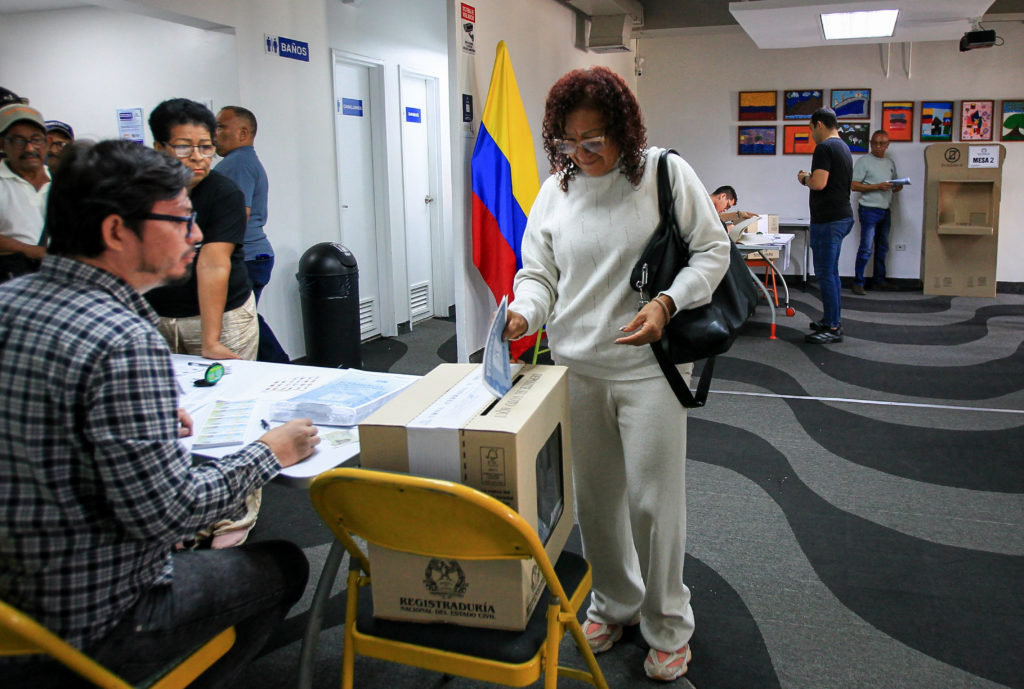
On May 30, 2026, Colombia's foreign ministry accused Ecuador of deliberate interference in its presidential election scheduled for May 31. This accusation followed Ecuadorian President Daniel Noboa's announcement to lift tariffs on Colombian imports after discussions with opposition candidate Abelardo De La Espriella. Colombia's government described Noboa's actions as a violation of non-intervention principles, asserting that the tariff repeal was misrepresented as a goodwill gesture. The ongoing trade dispute began in January 2026 when Ecuador imposed tariffs due to alleged Colombian negligence in controlling drug trafficking. The situation escalated with reciprocal tariffs and diplomatic tensions, leading to the summoning of ambassadors from both nations. The Andean Community of Nations has intervened, stating that the tariffs hinder free trade and requiring both countries to eliminate them. As the election approaches, the political implications of these actions remain significant.
Ask AI about this cluster
Answers cite the sources they use
Timeline
More articles in this cluster (2)
Continue Reading
 Critical WSO2 API Manager Vulnerability Under Active Exploitation A critical vulnerability (CVE-2026-5430) in WSO2 API Manager is being actively exploited, allowing unauthenticated attackers to forge admin tokens via JWT authentication bypass. This flaw, which has a CVSS score of 10.0, affects multiple WSO2 products including API Manager, Universal Gateway, Traffic Manager, and API…
  Critical Linux Kernel Vulnerability CVE-2025-39682 Under Active Exploitation A critical vulnerability (CVE-2025-39682) in the Linux kernel allows remote code execution through mishandling of zero-length TLS records. This flaw affects kTLS-enabled hosts running vulnerable kernel versions, exposing them to attackers without authentication. CISA added this vulnerability to its Known Exploited…