 Escudodigital
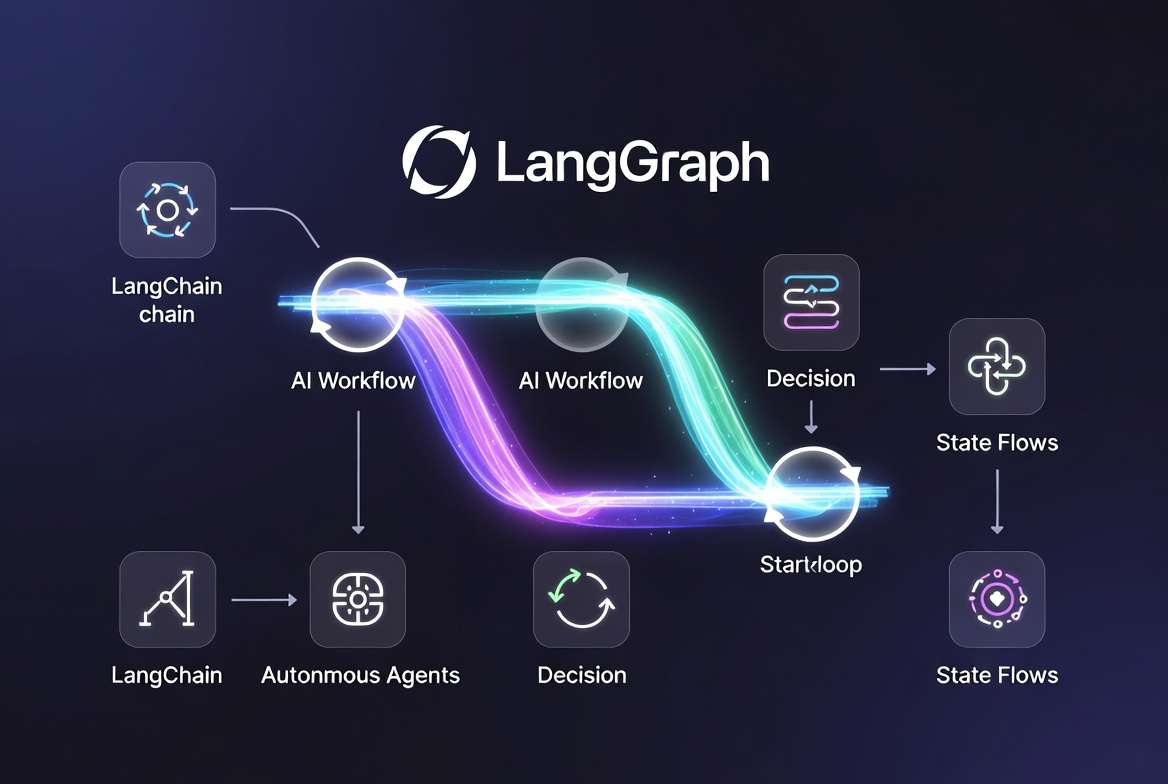
 Critical Vulnerabilities in LangGraph AI Framework Enable Full Server Control
Article Content

- •LangGraph has 46.5 million downloads, making its vulnerabilities highly impactful.
- •An SQL injection combined with a deserialization flaw enables remote code execution.
- •Three CVEs have been assigned, and organizations should prepare for imminent patches.
Check Point Research identified critical vulnerabilities in LangGraph, an AI framework with 46.5 million downloads last month. The flaws allow attackers to execute remote code and gain control over affected servers. The vulnerabilities stem from an SQL injection in the get_state_history() function combined with a deserialization issue. These issues can lead to unauthorized access to sensitive data, including API keys and conversation histories. LangGraph is widely used for automating tasks in corporate environments, making the impact potentially severe. The vulnerabilities have been assigned three CVEs, and the LangChain team is working on fixes. Organizations using LangGraph are advised to monitor their systems closely and apply patches once available.
Ask AI about this cluster
Answers cite the sources they use
Timeline
More articles in this cluster (10)
Following this threat?
Track Check Point Research and CVE-2025-67644 in your own feed — you're alerted when they show up in new reporting, leak sites or exploitation.
Free account · no card needed
Continue Reading
 Critical Zero-Day Vulnerability in Cisco Secure Email Gateway Exploited On September 14, 2026, Cisco disclosed a critical SQL injection vulnerability (CVE-2026-76461) in its Secure Email Gateway, allowing unauthenticated remote attackers to execute arbitrary commands with root privileges. This vulnerability arises from insufficient validation in the email parsing logic. Cisco confirmed…
  Critical GitLab Vulnerabilities Exploited Within Hours of Disclosure On September 10, 2026, GitLab released patches for critical vulnerabilities CVE-2026-85706 and CVE-2026-87719. CVE-2026-85706, a path traversal flaw, allows unauthenticated users to read arbitrary files from GitLab servers, while CVE-2026-87719 enables credential theft via insecure deserialization. Both…