Back

Emerging Chinese Phishing-as-a-Service Ecosystem Targets Global Users

Severity: High (Score: 66.5)

Sources: Infosecurity-Magazine, Mandiant, cloud.google.com, Technadu, Feeds2.Feedburner

Published: 2026-05-26 · Updated: 2026-05-26

Keywords: chinese-language, phaas, gtig, google, threat, phishing-as-a-service, rapidly

Summary

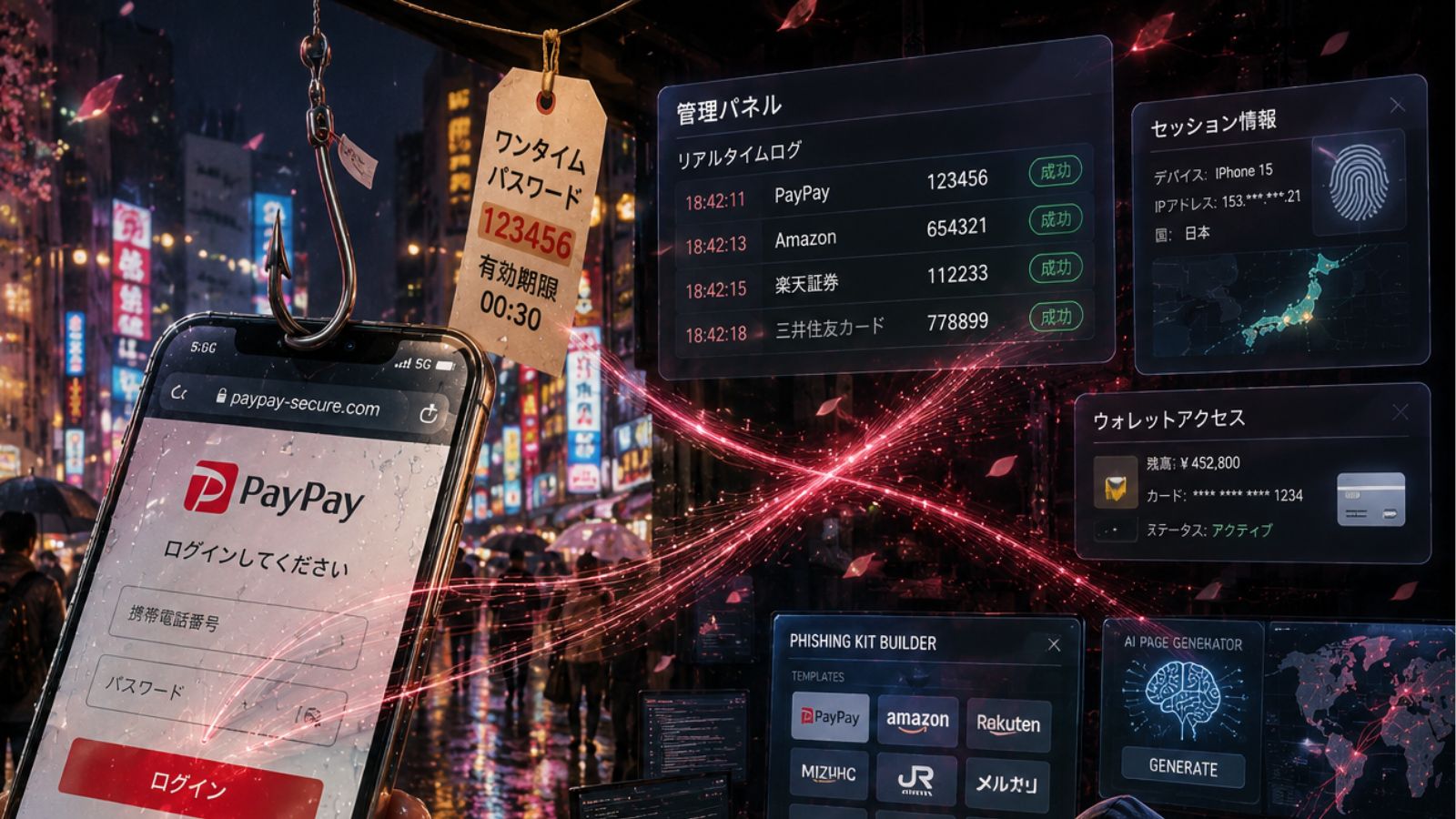
The Chinese-language phishing-as-a-service (PhaaS) ecosystem is rapidly evolving, shifting from static password harvesting to real-time credential interception and tokenization. Google Threat Intelligence Group (GTIG) identified a dozen active PhaaS offerings that exploit encrypted messaging protocols like RCS and iMessage to deliver phishing lures, making detection more challenging. These services primarily target non-Chinese entities, with a focus on the general public rather than large organizations. The operators utilize advanced tactics, including live administration panels to capture one-time passcodes (OTPs) and exploit digital wallets for unauthorized transactions. The proliferation of AI tools enhances their capabilities, allowing for localized phishing content and automated operations. Recent legal actions against specific PhaaS providers indicate ongoing efforts to combat this threat. The landscape poses significant risks to users across various countries, including Japan, the US, and Australia. Key Points: • Chinese-language PhaaS operations have shifted to real-time credential interception techniques. • Phishing services utilize encrypted messaging platforms like RCS and iMessage to evade detection. • Operators are targeting global users, primarily impersonating non-Chinese organizations.

Detailed Analysis

**Impact** The phishing-as-a-service (PhaaS) ecosystem primarily targets global users outside China, focusing on countries including Japan, the US, Australia, Hong Kong, and the UAE. Over 400 phishing templates have been deployed since November 2025, targeting sectors such as digital payments, banking, e-commerce, and brokerage services. Victims risk unauthorized access to financial accounts, digital wallets, and personal identifiable information (PII), with potential losses from high-value transactions, wire fraud, and stock manipulation. The general public is targeted opportunistically rather than specific large organizations. **Technical Details** Attackers use phishing lures delivered via encrypted messaging protocols like Rich Communication Services (RCS) and Apple iMessage to evade carrier-level filters. The ecosystem has shifted from static credential harvesting to real-time interception of credentials and one-time passcodes (OTPs) via live administration panels, enabling multifactor authentication (MFA) bypass. AI-powered phishing page generators and browser automation tools (e.g., Puppeteer) create unique, localized phishing sites, complicating detection. Platforms such as Darcula (linked to UNC5814) and YY Lai Yu operate across 119 countries with over 400 templates targeting major brands. Infrastructure includes VPS hosting, domain registration, and encrypted delivery channels. No CVEs exploited were specified. **Recommended Response** Deploy detections for phishing attempts delivered over RCS and iMessage, focusing on real-time credential interception techniques and MFA bypass patterns. Harden MFA implementations by enabling phishing-resistant methods such as hardware security keys. Monitor for suspicious administrative panel activity and unusual provisioning of digital wallets or payment instruments. Apply threat intelligence feeds to block known phishing domains and infrastructure linked to Darcula, YY Lai Yu, and related PhaaS platforms. If specific patches are unavailable, prioritize user awareness and technical controls to detect and respond to live phishing interactions.

Source articles (5)

  • 2 PhaaS 2 Furious: The Evolution of Chinese — Mandiant · 2026-05-25
    While Russian-speaking threat actors have historically dominated the phishing-as-a-service (PhaaS) landscape, a rival ecosystem is rapidly growing within the Chinese-language underground. Google Threa…
  • Chinese-Language Phishing Services Adopt AI and Real-Time MFA Bypass, GTIG Says — Technadu · 2026-05-26
    Google Threat Intelligence Group (GTIG) recently analyzed a dozen active Chinese-language phishing-as-a-service (PhaaS) offerings, identifying a rapidly growing underground ecosystem. Departing from t…
  • Chinese phishing gangs grow into a force to be reckoned with — Feeds2.Feedburner · 2026-05-26
    Chinese-language phishing-as-a-service (PhaaS) communities are expanding in an area historically dominated by Russian-speaking cybercriminal groups. The Google Threat Intelligence Group (GTIG) analyze…
  • Chinese Threat Actors Ditch Static Phishing Pages for Live Credential Interception — Infosecurity-Magazine · 2026-05-26
    The Chinese phishing-as-a-service (PhaaS) landscape has been rapidly growing in size and sophistication over the past few month, Google researchers have warned. Cyber threat actors operating mature ph…
  • Chinese Language Phishing Services — cloud.google.com · 2026-05-26
    While Russian-speaking threat actors have historically dominated the phishing-as-a-service (PhaaS) landscape, a rival ecosystem is rapidly growing within the Chinese-language underground. Google Threa…

Timeline

  • 2025-11-01 — Google files lawsuit against PhaaS provider: Google took legal action against a phishing service known as 'Lighthouse' for its role in credential theft.
  • 2026-05-25 — GTIG report on Chinese PhaaS released: Google Threat Intelligence Group published findings on at least a dozen active Chinese-language phishing services, highlighting their evolution and tactics.
  • 2026-05-26 — Chinese phishing services identified as significant threat: Research indicates that Chinese-language phishing services are expanding rapidly, posing risks to users globally.

Related entities

  • Unc5814 (Apt Group)
  • Phishing (Attack Type)
  • Australia (Country)
  • China (Country)
  • Japan (Country)
  • United Arab Emirates (Country)
  • CWE-287 - Improper Authentication (Cwe)
  • T1566.002 - Spearphishing Link (Mitre Attack)
  • T1566 - Phishing (Mitre Attack)
  • Alibaba (Company)
  • Apple (Company)
  • Apple IMessage (Platform)
  • IMessage (Platform)
  • PayPay (Platform)
  • RCS (Platform)
  • Telegram (Platform)
  • AI-powered Page Generators (Tool)
  • Browser Automation Tools (Tool)
  • Darcula PhaaS Platform (Tool)
  • Lighthouse SMS Phishing Kit (Tool)
  • Puppeteer (Tool)
Loading threat details...

Threat Not Found

The threat cluster you're looking for doesn't exist or has been removed.

Return to Feed