 Digitaltrends
 ShinyHunters Leak 45GB of Madison Square Garden Data, Exposing Facial Recognition Records
Article Content

- •ShinyHunters leaked 45GB of data from Madison Square Garden after a ransom deadline was missed.
- •The breach includes sensitive facial recognition records and personal information of 26 million individuals.
- •A federal class action lawsuit has been filed against MSG for alleged corporate negligence in data security.
The cybercrime group ShinyHunters leaked 45GB of data from Madison Square Garden Entertainment after the company missed a ransom deadline on June 15, 2026. The breach, which occurred on June 5, includes facial recognition records, internal threat assessments, and personal information from approximately 26 million customer and corporate records. The leaked data contains biometric tracking logs, background check information, and internal risk assessments, with specific profiles of attendees, including celebrities. Customer emails expressing concerns about misidentification by the facial recognition system were also included in the dump. A federal class action lawsuit was filed on June 16, 2026, alleging corporate negligence in data security. This incident marks MSG's second major breach within a year, following a previous incident involving the Cl0p ransomware group. The full extent of the leak has not been independently verified, and MSG has not publicly confirmed the breach details.
Ask AI about this cluster
Answers cite the sources they use
Timeline
More articles in this cluster (3)
Following this threat?
Track Cl0p, ShinyHunters and AT&T in your own feed — you're alerted when they show up in new reporting, leak sites or exploitation.
Free account · no card needed
Continue Reading
 Critical Cleo Harmony Vulnerability Exploited for Privilege Escalation A newly discovered authentication bypass vulnerability in Cleo Harmony, tracked as CVE-2026-84115, allows remote attackers to escalate privileges by manipulating JWT refresh tokens. The flaw, found in the '/api/connections' function, enables attackers to bypass access controls through crafted HTTP headers. An exploit…
 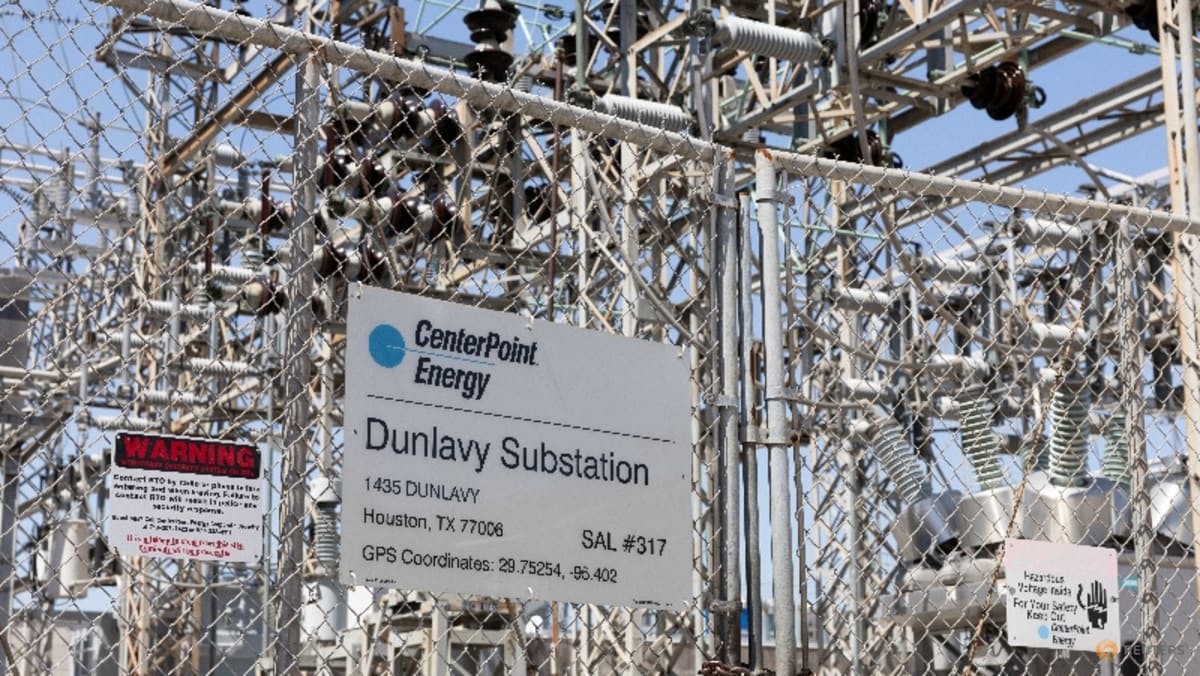 CenterPoint Energy Confirms Data Breach Affecting Millions of Customers CenterPoint Energy disclosed a data breach affecting customer information after a hacker leaked claims of having stolen 7.49 million records. The breach was confirmed following an online post by a threat actor who exploited vulnerabilities in the company's external-facing systems. The leaked data reportedly includes…