 Kahawatungu
 Romanian Hospitals Forced to Use Paper After Major Cyberattack
Article Content

- •Over 100 Romanian hospitals disconnected from the internet to mitigate a ransomware attack.
- •The ransomware, BackMyData, scrambled files and demanded €160,000 in bitcoin as ransom.
- •Medical staff adapted by using manual processes, demonstrating resilience in crisis management.
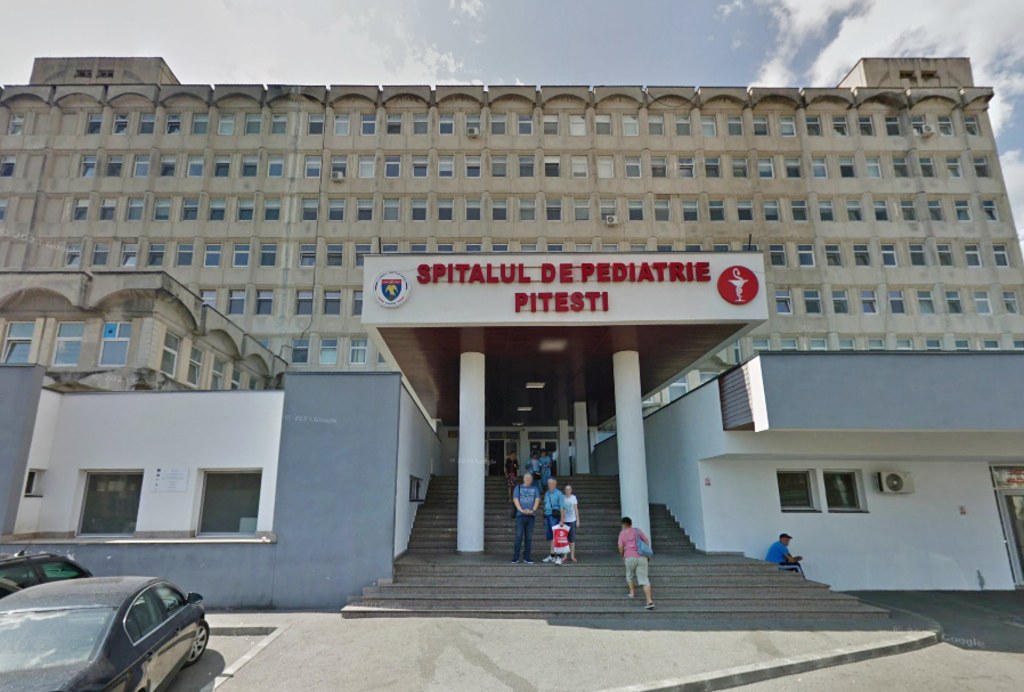
In February 2024, over 100 hospitals in Romania were targeted by a significant cyberattack that exploited vulnerabilities in the Hippocrates medical software, deploying ransomware known as BackMyData. The attack forced the national cyber-security centre to disconnect hospitals from the internet to prevent further spread, impacting patient care and operations. Medical staff reverted to pen and paper for patient records and care processes, creating temporary offline systems to continue treatment. The ransomware demanded a ransom of €160,000 in bitcoin, which the Romanian government refused to pay. This incident has been recognized as one of the largest cyberattacks on healthcare systems globally, prompting discussions on disaster response strategies. Cyber investigators identified that 26 hospitals were infected, highlighting the vulnerability of healthcare infrastructure to cyber threats.
Ask AI about this cluster
Answers cite the sources they use
Timeline
More articles in this cluster (6)
Following this threat?
Track Backmydata and Ascension in your own feed — you're alerted when they show up in new reporting, leak sites or exploitation.
Free account · no card needed
Continue Reading
 Critical WSO2 API Manager Vulnerability Under Active Exploitation A critical vulnerability (CVE-2026-5430) in WSO2 API Manager is being actively exploited, allowing unauthenticated attackers to forge admin tokens via JWT authentication bypass. This flaw, which has a CVSS score of 10.0, affects multiple WSO2 products including API Manager, Universal Gateway, Traffic Manager, and API…
  Critical Linux Kernel Vulnerability CVE-2025-39682 Under Active Exploitation A critical vulnerability (CVE-2025-39682) in the Linux kernel allows remote code execution through mishandling of zero-length TLS records. This flaw affects kTLS-enabled hosts running vulnerable kernel versions, exposing them to attackers without authentication. CISA added this vulnerability to its Known Exploited…