 News.Ycombinator
 Prompt Injection Vulnerabilities in LLMs Explored
Article Content

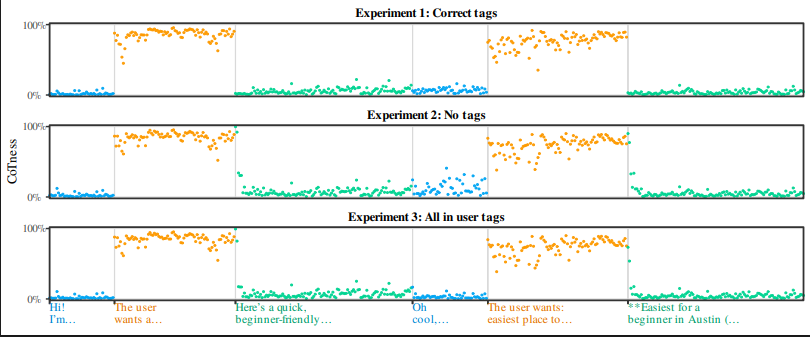
- •Prompt injection attacks exploit LLMs' misunderstanding of role tags.
- •LLMs' failure to maintain role boundaries increases security risks.
- •Defending against prompt injections may remain a continuous challenge.
Recent research highlights vulnerabilities in large language models (LLMs) related to prompt injection attacks. These attacks exploit flaws in how LLMs perceive role tags, leading to potential security risks. The research indicates that LLMs do not effectively maintain role boundaries, which allows for subtle manipulations through seemingly innocuous text. This issue could result in ongoing challenges for defenders, as the lack of genuine role perception in LLMs makes it difficult to implement effective defenses. The findings suggest that without significant improvements in role recognition, prompt injection defenses will remain inadequate. The implications of this research are critical for developers and users of LLM technology, as it points to a fundamental flaw in their operational architecture.
Ask AI about this cluster
Answers cite the sources they use
Timeline
More articles in this cluster (5)
Continue Reading
 CVE-2015-3306 Exploited in ProFTPD FTP Servers CVE-2015-3306, a vulnerability in ProFTPD 1.3.5, allows remote attackers to read and write arbitrary files using the SITE CPFR and SITE CPTO commands. This exploit can lead to unauthorized access and potential remote code execution, as the commands are executed with the privileges of the ProFTPD service. Active…
  CISA Mandates Urgent Patching of Five Critical Flaws Exploited by Flax Typhoon The U.S. Cybersecurity and Infrastructure Security Agency (CISA) has ordered federal agencies to patch five critical vulnerabilities by October 11, 2026, following exploitation by the China-linked hacking group Flax Typhoon. The vulnerabilities, added to CISA's Known Exploited Vulnerabilities (KEV) catalog, include…