 tsn.ua
 Iran Threatens Internet Cable Operators Over Licensing Fees
Article Content

- •Iran plans to charge licensing fees for underwater internet cables in the Strait of Hormuz.
- •Major tech companies could face disruptions in service if they do not comply with Iranian demands.
- •Potential damage to internet infrastructure could lead to global financial losses in the trillions.
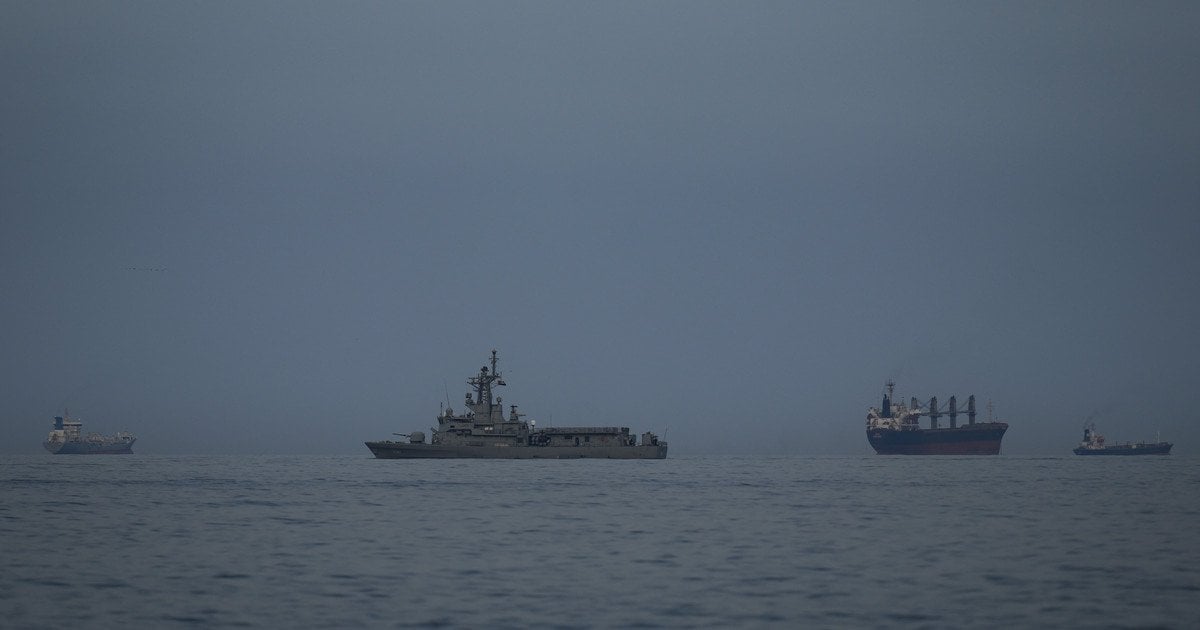
Iran has announced plans to impose licensing fees on operators of underwater internet cables in the Strait of Hormuz, which are crucial for connectivity between Asia and Europe. Iranian military spokesperson Ebrahim Zolfagari stated that companies like Google, Microsoft, and Amazon may be required to comply with these fees. The Iranian regime has hinted at potential disruptions to internet traffic if these demands are not met, raising concerns about impacts on global banking systems, stock exchanges, and cloud services. Experts warn that damage to this infrastructure could result in trillions of dollars in losses and significant disruptions to digital services worldwide. The situation is compounded by U.S. sanctions that complicate compliance for American tech giants. Iran's threats highlight its strategic leverage in both military and digital domains, especially as it seeks to assert control over the Strait of Hormuz, a vital economic corridor.
Ask AI about this cluster
Answers cite the sources they use
Timeline
More articles in this cluster (2)
Following this threat?
Track Microsoft Azure in your own feed — you're alerted when they show up in new reporting, leak sites or exploitation.
Free account · no card needed
Continue Reading
 Critical WSO2 API Manager Vulnerability Under Active Exploitation A critical vulnerability (CVE-2026-5430) in WSO2 API Manager is being actively exploited, allowing unauthenticated attackers to forge admin tokens via JWT authentication bypass. This flaw, which has a CVSS score of 10.0, affects multiple WSO2 products including API Manager, Universal Gateway, Traffic Manager, and API…
  Critical Linux Kernel Vulnerability CVE-2025-39682 Under Active Exploitation A critical vulnerability (CVE-2025-39682) in the Linux kernel allows remote code execution through mishandling of zero-length TLS records. This flaw affects kTLS-enabled hosts running vulnerable kernel versions, exposing them to attackers without authentication. CISA added this vulnerability to its Known Exploited…