 Escudodigital
Massive Grindr Data Leak Exposes 15 Million User Records for Sale
Ask AI about this cluster
Analyzing cluster data...
Referenced clusters:
Something went wrong. Please try again.
Cluster AI
Ask questions about this threat cluster with AI-powered analysis.
Get Researcher $29.99/moArticle Content
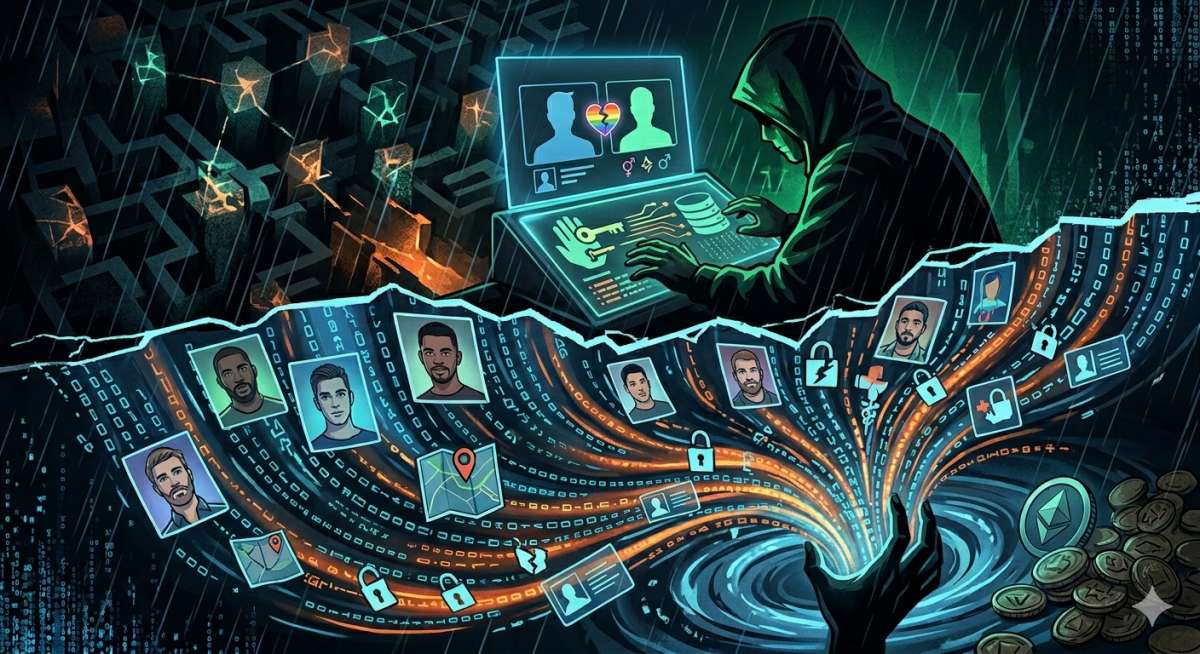
A threat actor is selling a database allegedly containing data from over 15 million Grindr users on the dark web. The dataset includes sensitive information such as full names, email addresses, physical attributes, HIV status, and location data. The hacker claims to have obtained password hashes and OAuth-related data, raising concerns about potential credential stuffing attacks. The dataset is priced at $400, suggesting it may be marketed to multiple buyers rather than a single high bidder. As of now, Grindr has not confirmed the breach, and no third-party verification has been provided. The presence of sensitive health-related information poses significant risks to affected users. Cybersecurity experts are warning users to change passwords and monitor accounts for suspicious activity. The incident highlights the ongoing vulnerabilities in dating apps, which are prime targets for cybercriminals.
Key Points: • Over 15 million Grindr user records are allegedly for sale on the dark web. • The dataset includes sensitive personal information, including HIV status and location data. • Grindr has not yet confirmed the breach, and no third-party verification is available.