 Securityaffairs.Co
 Microsoft Reports Phishing Campaign Targeting 35,000 Users Worldwide
Article Content

- •Over 35,000 users in 26 countries targeted by a phishing campaign.
- •Attackers used fake emails to steal login tokens from victims.
- •Microsoft disclosed the campaign in mid-April 2026.
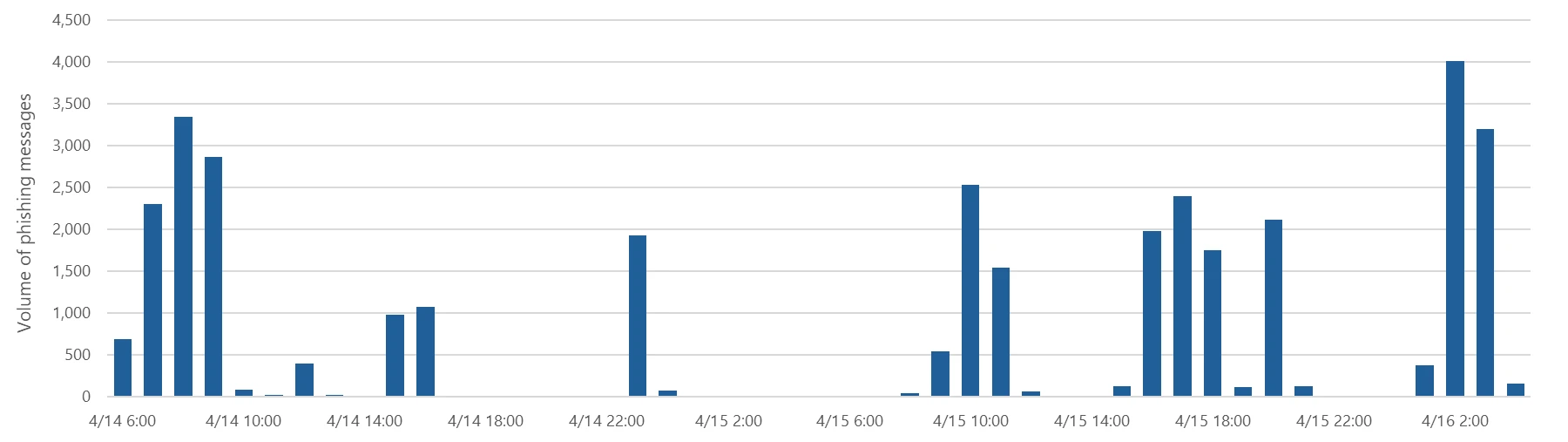
Microsoft disclosed a phishing campaign that has affected over 35,000 users across 26 countries. The attackers employed fake 'code of conduct' emails sent through legitimate platforms to deceive recipients into disclosing their login tokens. This campaign was revealed in mid-April 2026 and highlights the ongoing threat of phishing tactics in cybersecurity. The scope of the attack spans multiple countries, indicating a well-coordinated effort by the attackers. Microsoft has not specified the exact tools or vulnerabilities exploited in this campaign. Users are advised to remain vigilant against such phishing attempts. The current status of the campaign is active, with Microsoft actively monitoring the situation and providing updates.
Ask AI about this cluster
Answers cite the sources they use
Timeline
More articles in this cluster (2)
Following this threat?
Track Microsoft in your own feed — you're alerted when they show up in new reporting, leak sites or exploitation.
Free account · no card needed
Continue Reading
 Critical WSO2 API Manager Vulnerability Under Active Exploitation A critical vulnerability (CVE-2026-5430) in WSO2 API Manager is being actively exploited, allowing unauthenticated attackers to forge admin tokens via JWT authentication bypass. This flaw, which has a CVSS score of 10.0, affects multiple WSO2 products including API Manager, Universal Gateway, Traffic Manager, and API…
  Critical Linux Kernel Vulnerability CVE-2025-39682 Under Active Exploitation A critical vulnerability (CVE-2025-39682) in the Linux kernel allows remote code execution through mishandling of zero-length TLS records. This flaw affects kTLS-enabled hosts running vulnerable kernel versions, exposing them to attackers without authentication. CISA added this vulnerability to its Known Exploited…