 Mainichi.Jp
 North Korea Abandons Claims to Takeshima in 2025 Map Publication
Article Content

- •North Korea's 2025 map excludes Takeshima, indicating a shift in territorial claims.
- •The omission aligns with constitutional reforms that redefine North Korea's territory.
- •Takeshima has been a longstanding point of dispute between Japan and Korea.
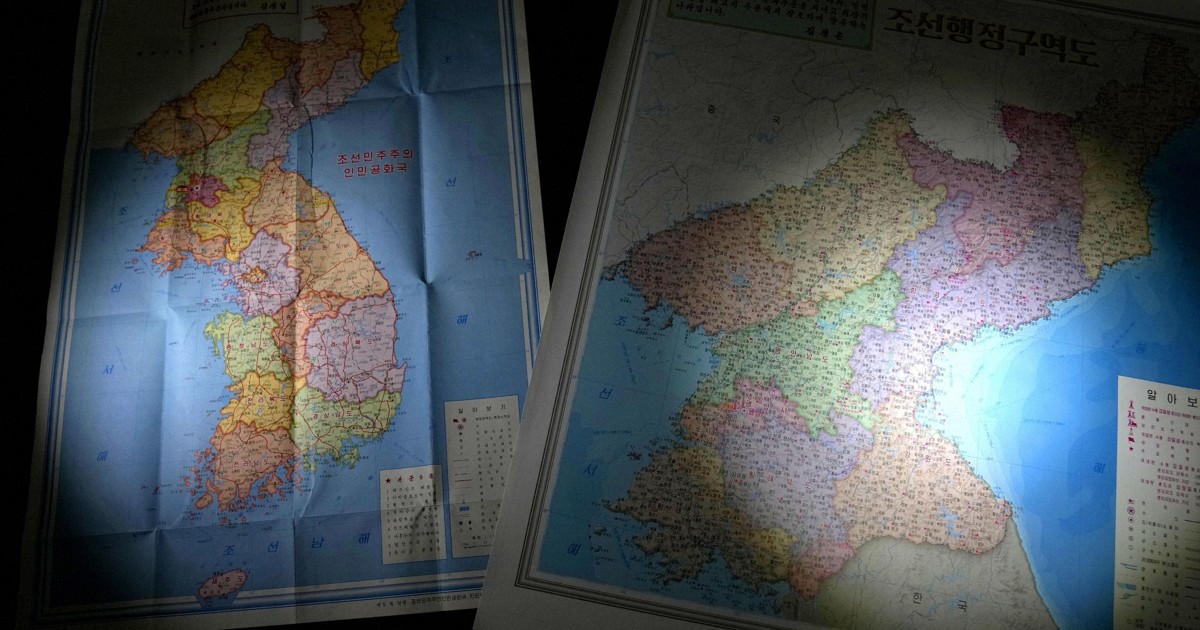
North Korea's 2025 map and accompanying book do not list Takeshima, a group of islets claimed by both North and South Korea, as its territory. This omission suggests a potential shift in Pyongyang's stance regarding its sovereignty claim over the islets. The change is linked to constitutional reforms that have redefined the country's territorial claims, excluding the southern part of the Korean Peninsula and Takeshima. The map and book were published in October and December 2025, respectively, and are seen as official materials for foreign audiences. The islets, known as Dokdo in South Korea, have been a point of contention between Japan and Korea, with South Korea maintaining a security presence there since 1954. This development follows North Korea's recent policy shifts, which have characterized South Korea as an enemy since late 2023. The last mention of Takeshima in North Korean media was in January 2024.
Ask AI about this cluster
Answers cite the sources they use
Timeline
More articles in this cluster (2)
Continue Reading
 Critical WSO2 API Manager Vulnerability Under Active Exploitation A critical vulnerability (CVE-2026-5430) in WSO2 API Manager is being actively exploited, allowing unauthenticated attackers to forge admin tokens via JWT authentication bypass. This flaw, which has a CVSS score of 10.0, affects multiple WSO2 products including API Manager, Universal Gateway, Traffic Manager, and API…
  Critical Linux Kernel Vulnerability CVE-2025-39682 Under Active Exploitation A critical vulnerability (CVE-2025-39682) in the Linux kernel allows remote code execution through mishandling of zero-length TLS records. This flaw affects kTLS-enabled hosts running vulnerable kernel versions, exposing them to attackers without authentication. CISA added this vulnerability to its Known Exploited…