 cloud.google.com
 North Korean Hackers Utilize EtherHiding for Cryptocurrency Theft
Article Content

- •North Korean hackers are using EtherHiding to deliver malware via public blockchains.
- •The Contagious Interview campaign employs social engineering tactics to compromise victims.
- •EtherHiding allows for stealthy payload updates and complicates detection efforts.
The Google Threat Intelligence Group (GTIG) reports that North Korean threat actor UNC5342 has adopted a new technique called EtherHiding to deliver malware and facilitate cryptocurrency theft. This method embeds malicious payloads within smart contracts on public blockchains like Ethereum and Binance Smart Chain. Since February 2025, UNC5342 has been using EtherHiding in a campaign known as Contagious Interview, which employs social engineering tactics such as fake job interviews to compromise victims. The JADESNOW malware is utilized to download a JavaScript variant of INVISIBLEFERRET, leading to significant cryptocurrency heists. EtherHiding allows attackers to update their payloads stealthily and at minimal cost, complicating detection and mitigation efforts. The technique's use of read-only calls ensures that no transaction history is visible on the blockchain, enhancing anonymity. The campaign has shown operational compartmentalization, with updates to the smart contracts occurring frequently and at low costs.
Ask AI about this cluster
Answers cite the sources they use
Timeline
More articles in this cluster (3)
Following this threat?
Track UNC5142, BeaverTail and Ethereum in your own feed — you're alerted when they show up in new reporting, leak sites or exploitation.
Free account · no card needed
Continue Reading
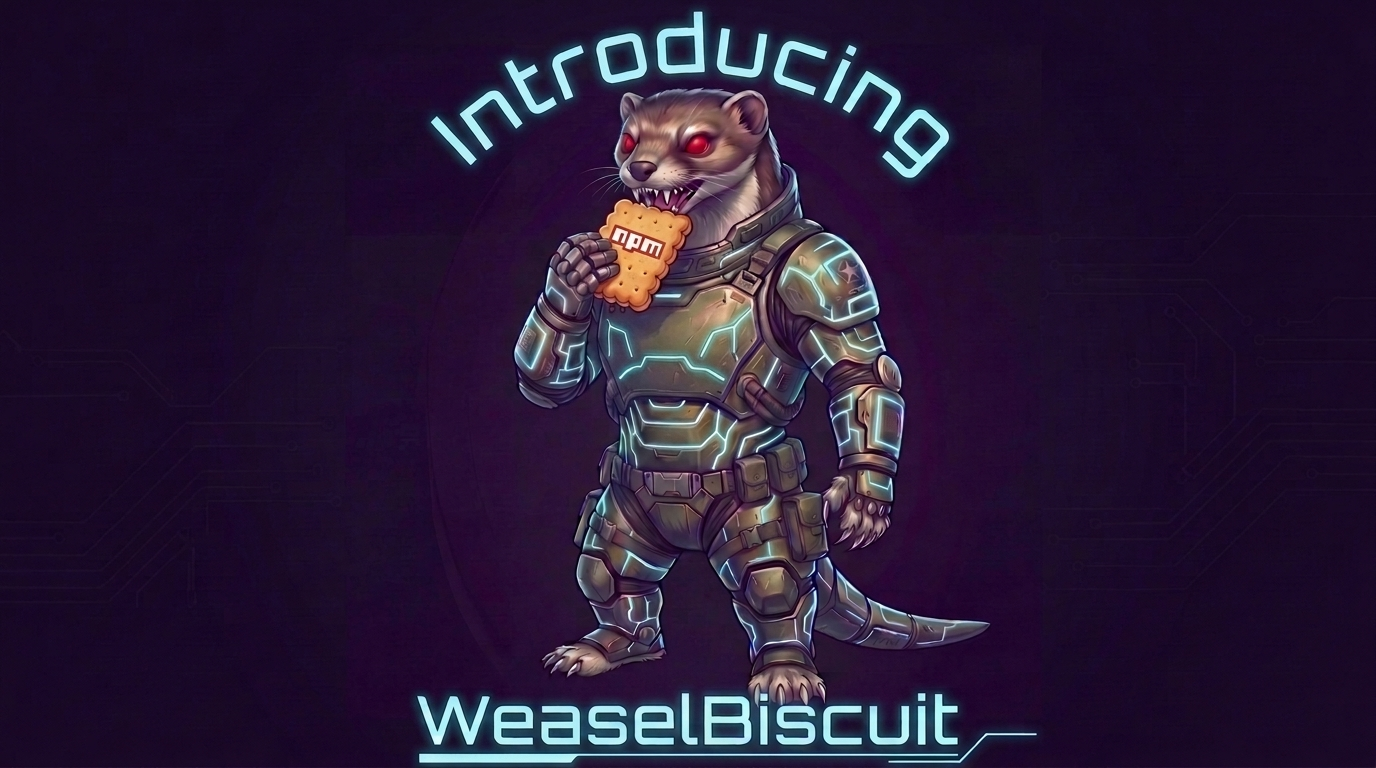 New WeaselBiscuit JavaScript Stealer Discovered in npm Packages Cybersecurity researchers identified a new JavaScript stealer named WeaselBiscuit, which spreads through 13 malicious npm packages. This malware is believed to have functional overlaps with DPRK-associated strains BeaverTail and OtterCookie but is smaller and lacks certain advanced features. It operates by executing a…
  CISA Mandates Urgent Patching of Five Critical Flaws Exploited by Flax Typhoon The U.S. Cybersecurity and Infrastructure Security Agency (CISA) has ordered federal agencies to patch five critical vulnerabilities by October 11, 2026, following exploitation by the China-linked hacking group Flax Typhoon. The vulnerabilities, added to CISA's Known Exploited Vulnerabilities (KEV) catalog, include…