 Maritime-Executive
 Oman Oil Exports Resume After Drone Attack at Mina Al Fahal
Article Content

- •Oman denied significant disruption to oil exports after a reported drone attack.
- •The drone landed between mooring points, causing no major damage.
- •Oman continues to navigate complex relations with Iran amid regional tensions.
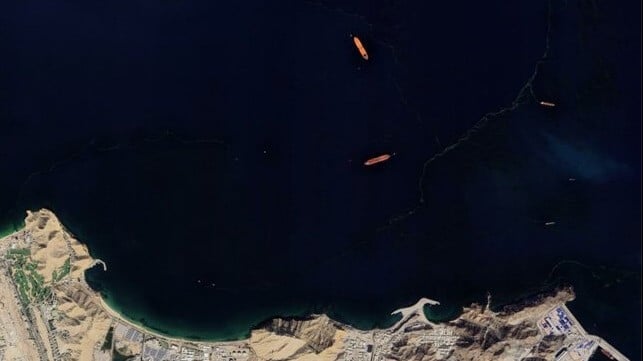
Oman confirmed that oil loading operations at Mina Al Fahal port resumed on June 5, following reports of a drone attack. Initial reports indicated a drone explosion near the port's mooring berths, leading to a temporary suspension of activities. Petroleum Development Oman stated that operations continued normally despite the incident. The drone reportedly landed between two Single Point Moorings, causing no significant damage. Oman exports between 800,000 and 900,000 barrels of oil daily, primarily to Asian markets. The attack is part of ongoing tensions in the region, with Iran's involvement suspected but unconfirmed. Oman maintains a neutral stance, balancing relations with both Iran and the US. The incident highlights the vulnerabilities of critical energy infrastructure in the Gulf region.
Ask AI about this cluster
Answers cite the sources they use
Timeline
More articles in this cluster (2)
Following this threat?
Track Petroleum Development Oman in your own feed — you're alerted when they show up in new reporting, leak sites or exploitation.
Free account · no card needed
Continue Reading
 Critical WSO2 API Manager Vulnerability Under Active Exploitation A critical vulnerability (CVE-2026-5430) in WSO2 API Manager is being actively exploited, allowing unauthenticated attackers to forge admin tokens via JWT authentication bypass. This flaw, which has a CVSS score of 10.0, affects multiple WSO2 products including API Manager, Universal Gateway, Traffic Manager, and API…
  Critical Linux Kernel Vulnerability CVE-2025-39682 Under Active Exploitation A critical vulnerability (CVE-2025-39682) in the Linux kernel allows remote code execution through mishandling of zero-length TLS records. This flaw affects kTLS-enabled hosts running vulnerable kernel versions, exposing them to attackers without authentication. CISA added this vulnerability to its Known Exploited…