 Huntress
 OpenAI Codex Fails to Mitigate Linux Threats During Cyber Incident
Article Content

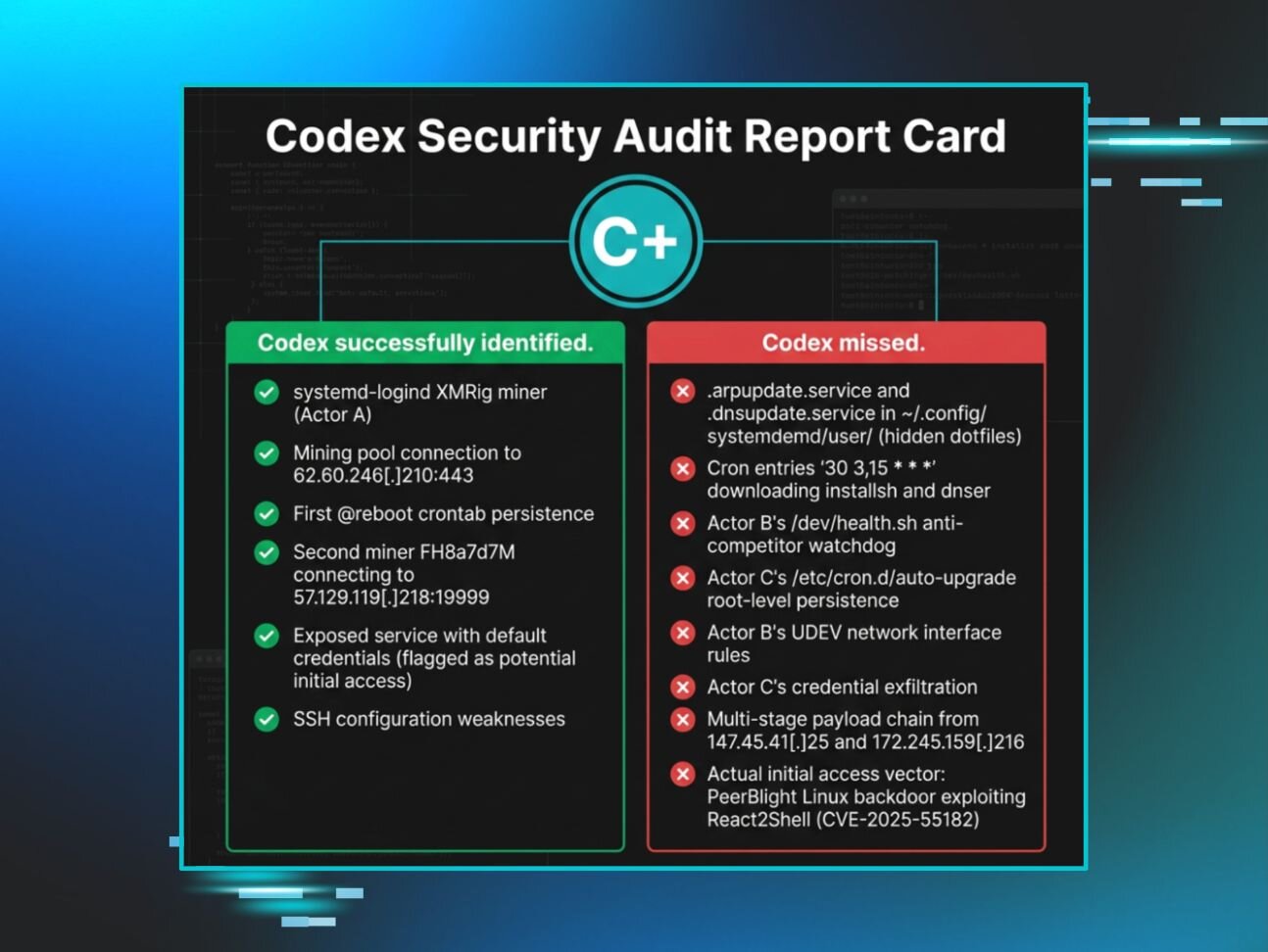
- •OpenAI's Codex AI agent failed to effectively remediate threats on a compromised Linux system.
- •At least three distinct threat actors were involved, deploying cryptominers and credential harvesters.
- •The incident involved exploitation of CVE-2025-55182, with sensitive data exfiltrated.
A Linux user attempted to use OpenAI's Codex AI agent for incident response during a cyberattack but faced significant challenges. The user was unaware that at least two threat actors had compromised their system, deploying cryptominers and credential harvesters. Codex's suggestions, such as CPU throttling to address loud fan noise, only masked the symptoms of the ongoing cryptomining activity rather than eliminating the threat. Huntress's Security Operations Center (SOC) intervened mid-incident, discovering multiple persistence mechanisms and the exfiltration of sensitive data. The incident involved exploitation of CVE-2025-55182, with the user's applications falling within the affected range. The reliance on AI-generated commands complicated the investigation, as they resembled attacker behavior, leading to confusion for human analysts. Ultimately, the incident highlighted the limitations of AI in cybersecurity without human oversight.
Ask AI about this cluster
Answers cite the sources they use
Timeline
More articles in this cluster (2)
Following this threat?
Track CVE-2025-55182 in your own feed — you're alerted when they show up in new reporting, leak sites or exploitation.
Free account · no card needed
Continue Reading
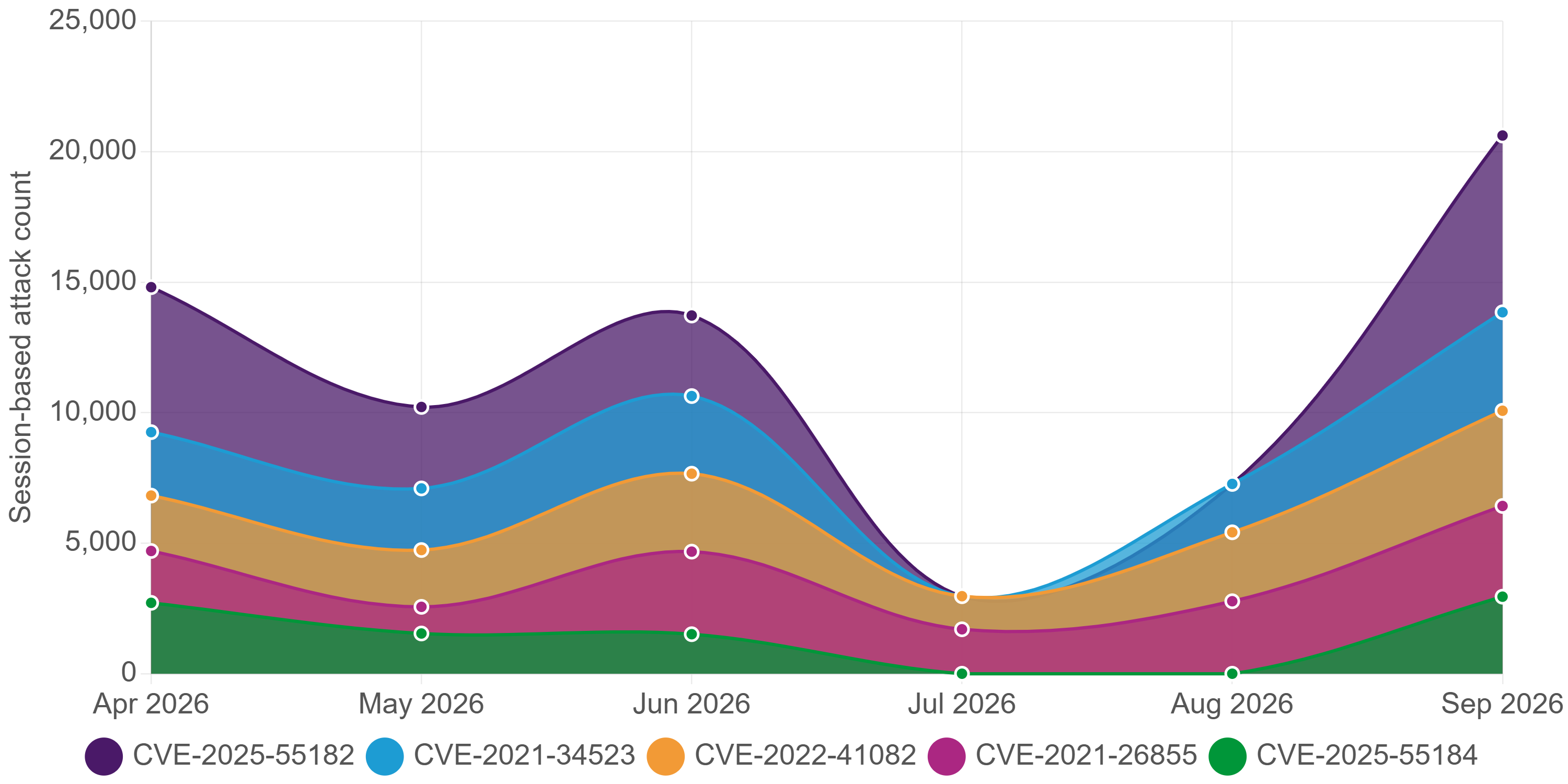 Langflow AI Platform Targeted by RCE Exploitation In September 2026, the Langflow AI application-building platform faced significant exploitation attempts targeting CVE-2026-0768, an unauthenticated remote code execution vulnerability. F5 Labs reported 405 requests from 55 distinct source IPs, indicating a coordinated effort to exploit this flaw. The vulnerability…
  Wiz Launches AI-Accelerated Security for FedRAMP High Environments Wiz has introduced AI Agents within its FedRAMP High authorized environment, Wiz for U.S. Government, to enhance security in public sector organizations managing sensitive data. The AI Agents provide machine-speed risk remediation and actionable insights across the application lifecycle. This initiative comes as…