 Bleepingcomputer
 Threat Actors Exploit npm Mirrors for Phishing Campaigns
Article Content

- •Attackers exploit npm mirrors as free hosting for phishing pages.
- •24 malicious npm packages identified, impersonating Cloudflare CAPTCHAs.
- •Phishing domains include login[.]microsofte[.]live and others.
Hackers are leveraging npm and its mirrors to host malicious HTML pages that impersonate Cloudflare CAPTCHAs, redirecting users to attacker-controlled sites. OX Security identified 24 npm packages containing these phishing pages, which do not infect users' computers but instead use npm as a free hosting service for the malicious content. The packages are designed to render fake CAPTCHA pages, allowing attackers to bypass security measures by using reputable domains. This technique has been observed since July 2026, with various phishing domains being utilized, including login[.]microsofte[.]live. The malicious pages execute obfuscated JavaScript to redirect visitors to other sites, with some packages remaining live even after being flagged. The current status indicates that while some domains have been blacklisted, attackers can still update existing packages or create new ones to continue their campaigns.
Ask AI about this cluster
Answers cite the sources they use
Timeline
More articles in this cluster (5)
Following this threat?
Track ClickFix in your own feed — you're alerted when they show up in new reporting, leak sites or exploitation.
Free account · no card needed
Continue Reading
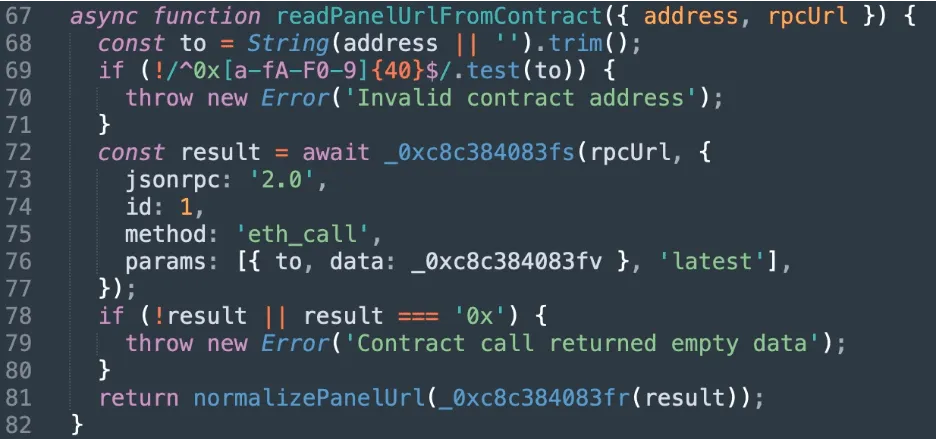 New ChainScript RAT Exploits ClickFix Lures with Blockchain C2 A newly discovered Node.js remote access trojan (RAT) named ChainScript is being deployed through ClickFix social engineering tactics, targeting Windows systems. The malware utilizes a unique command-and-control (C2) discovery method by querying a Polygon blockchain smart contract to dynamically rotate its server…
  Cybercriminals Exploit ChatGPT Custom GPTs for ClickFix RAT Attacks A new ClickFix campaign has been discovered that exploits ChatGPT Custom GPTs to impersonate legitimate products, luring users into executing malicious code. Cybersecurity firm Huntress reported that at least 40 users have been infected, with two confirmed incidents linked to Custom GPT instances. The attackers…