 Cryptonews
 Ripple Shares North Korean Threat Intelligence to Combat Evolving Cyber Attacks
Article Content

- •Ripple is sharing threat intelligence on North Korean hackers with Crypto ISAC.
- •The initiative aims to combat sophisticated social engineering tactics used in recent attacks.
- •North Korean cyber operations have resulted in over $500 million in losses in April 2026.
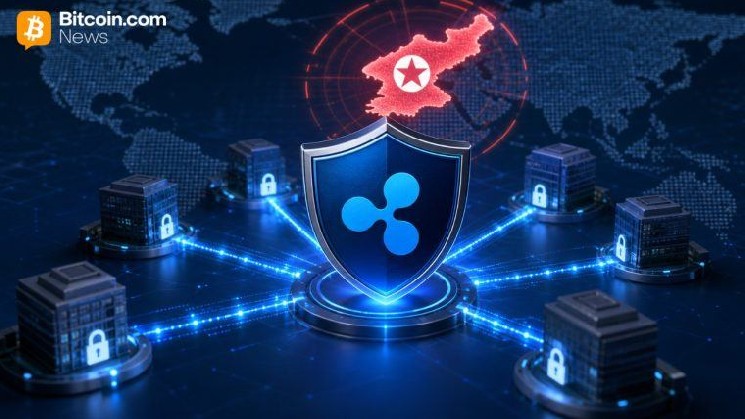
On May 5, 2026, Ripple announced it will share internal threat intelligence regarding North Korean hackers with Crypto ISAC, aimed at enhancing security across the cryptocurrency industry. This initiative follows a series of sophisticated attacks, including the $285 million theft from the Drift protocol, where attackers utilized social engineering tactics rather than exploiting software vulnerabilities. The shared intelligence includes data on fraud domains, wallet addresses, and indicators of compromise linked to North Korean cyber operations. Ripple emphasized that a threat actor who fails a background check at one company may apply to multiple others, highlighting the need for shared intelligence to prevent repeated infiltration attempts. The collaboration aims to help crypto firms identify and mitigate risks associated with insider threats and hiring practices. The recent surge in North Korean cyber activities has raised alarms, with losses attributed to these groups exceeding $500 million in April alone. This shift in attack methodology underscores the importance of collective defense strategies within the crypto sector.
Ask AI about this cluster
Answers cite the sources they use
Timeline
More articles in this cluster (19)
Following this threat?
Track Lazarus, TraderTraitor and Arbitrum DAO in your own feed — you're alerted when they show up in new reporting, leak sites or exploitation.
Free account · no card needed
Continue Reading
 Bitget Suffers $351.6 Million Hack Linked to North Korean Attackers On September 24, 2026, cryptocurrency exchange Bitget reported unauthorized transfers totaling approximately $351.6 million from its hot and warm wallets, attributed to suspected North Korean hackers. The breach was detected at 18:31 UTC and involved the compromise of a critical backend system, allowing attackers to…
  Cyber Espionage Escalates in Europe Amid Geopolitical Tensions Cyberattacks on the public sector have surged by 114% in Europe over the past 30 months, with an average of 2,563 attacks per week per organization. This increase is attributed to rising geopolitical tensions, particularly related to the ongoing conflict between Russia and Ukraine. Check Point Research reports that…