 Channelnewsasia
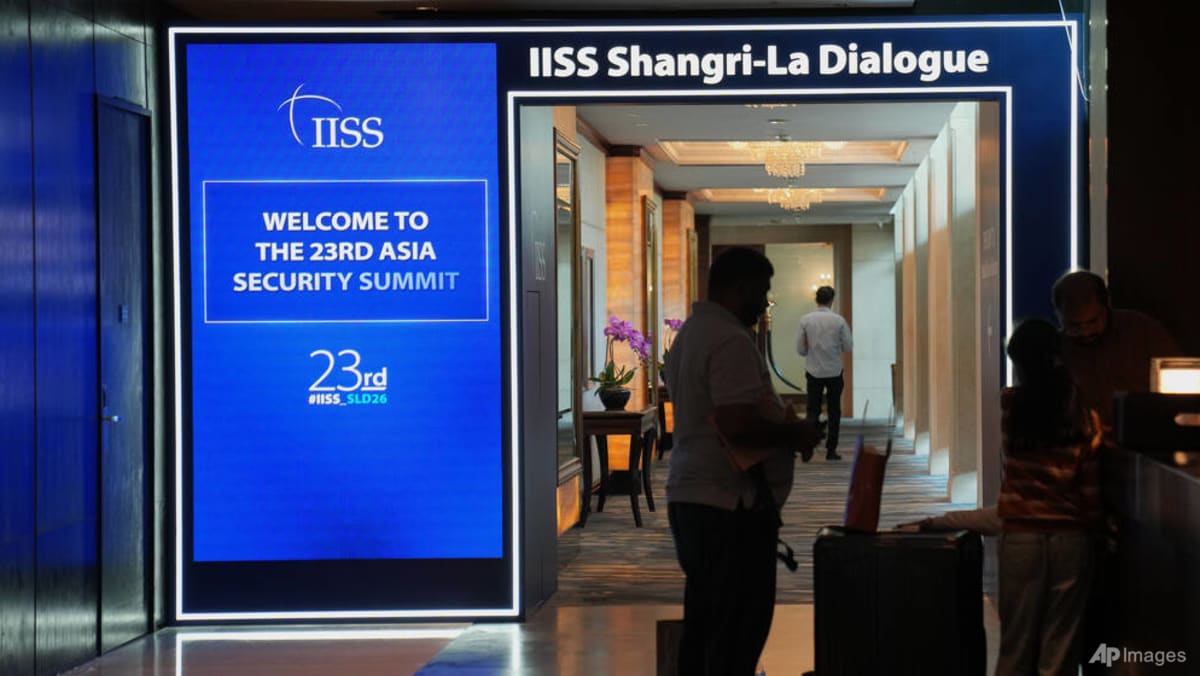
 Shangri-La Dialogue 2026 Highlights Multilateral Defense Concerns
Article Content

- •U.S. Defense Secretary stresses allies must increase defense spending to maintain support.
- •Philippines plans to enhance its defense capabilities amid regional tensions.
- •The dialogue indicates a shift towards flexible multilateralism in response to security challenges.
The 2026 Shangri-La Dialogue showcased significant discussions on defense and multilateralism in Asia. U.S. Defense Secretary Pete Hegseth emphasized the need for allies to enhance their defense contributions, warning that those who do not will face shifts in U.S. defense policy. Various leaders, including those from the Philippines and Singapore, highlighted the importance of building national resilience and collaborative defense capabilities. The dialogue reflected a growing urgency for nations to adapt to a more competitive security environment, particularly in light of recent attacks on commercial shipping in the Strait of Hormuz. These developments indicate a shift towards more flexible and issue-specific multilateral cooperation, moving away from traditional frameworks. The ongoing geopolitical tensions and military posturing in the region underscore the need for effective defense strategies.
Ask AI about this cluster
Answers cite the sources they use
Timeline
More articles in this cluster (2)
Continue Reading
 Critical WSO2 API Manager Vulnerability Under Active Exploitation A critical vulnerability (CVE-2026-5430) in WSO2 API Manager is being actively exploited, allowing unauthenticated attackers to forge admin tokens via JWT authentication bypass. This flaw, which has a CVSS score of 10.0, affects multiple WSO2 products including API Manager, Universal Gateway, Traffic Manager, and API…
  Critical Linux Kernel Vulnerability CVE-2025-39682 Under Active Exploitation A critical vulnerability (CVE-2025-39682) in the Linux kernel allows remote code execution through mishandling of zero-length TLS records. This flaw affects kTLS-enabled hosts running vulnerable kernel versions, exposing them to attackers without authentication. CISA added this vulnerability to its Known Exploited…