 Maritime-Executive
 Turkey and Israel Block Entry of Ship Carrying Stolen Ukrainian Grain
Article Content

- •The Panormitis was denied entry to ports in Turkey and Israel due to its cargo of allegedly stolen grain.
- •Ukrainian officials are actively lobbying for the rejection of shipments from Russian-occupied territories.
- •The vessel is currently loitering near the Turkish-Syrian maritime boundary, seeking alternative unloading options.
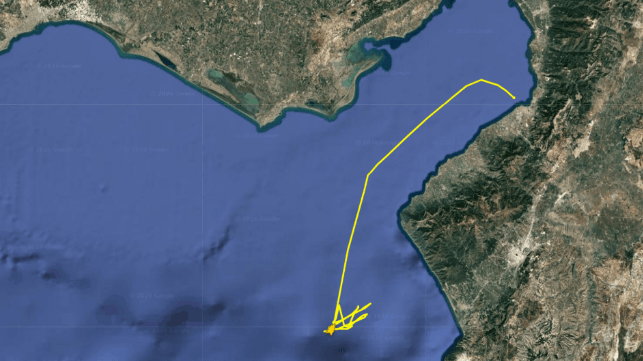
The Greek bulk carrier Panormitis, carrying grain allegedly sourced from Russian-occupied Ukraine, was denied entry to ports in both Turkey and Israel. Following diplomatic pressure from Ukraine, Israeli importers rejected the cargo, prompting the vessel to seek alternative destinations. The ship arrived off Iskenderun, Turkey, on May 13, 2026, but was subsequently denied port access by Turkish authorities. Ukrainian officials have been actively lobbying both nations to prevent the shipment from entering their ports. This incident reflects ongoing tensions regarding the illegal commercialization of agricultural products from occupied territories. The Panormitis has been loitering near the Turkish-Syrian maritime boundary, with Syria being a known destination for such grain. The situation highlights the complexities of maritime trade amidst geopolitical conflicts.
Ask AI about this cluster
Answers cite the sources they use
Timeline
More articles in this cluster (3)
Continue Reading
 Critical WSO2 API Manager Vulnerability Under Active Exploitation A critical vulnerability (CVE-2026-5430) in WSO2 API Manager is being actively exploited, allowing unauthenticated attackers to forge admin tokens via JWT authentication bypass. This flaw, which has a CVSS score of 10.0, affects multiple WSO2 products including API Manager, Universal Gateway, Traffic Manager, and API…
  Red Heron Exploits Gitea RCE Flaw in Multinational Campaign A Chinese-speaking threat actor, tracked as Red Heron, exploited the CVE-2026-60004 remote code execution vulnerability in Gitea, compromising 1,386 instances across seven countries. The campaign involved source-code theft, credential collection, and lateral movement, affecting organizations in Canada, Argentina…