 Dailysabah
 Turkey Expands Defense Exports Amid Global Security Shifts
Article Content

- •Turkey's defense exports have tripled since 2021, reaching $10 billion.
- •The country supplies nearly 40 nations, focusing on affordability and adaptability.
- •Turkey aims to double its defense exports in two years amid shifting global alliances.
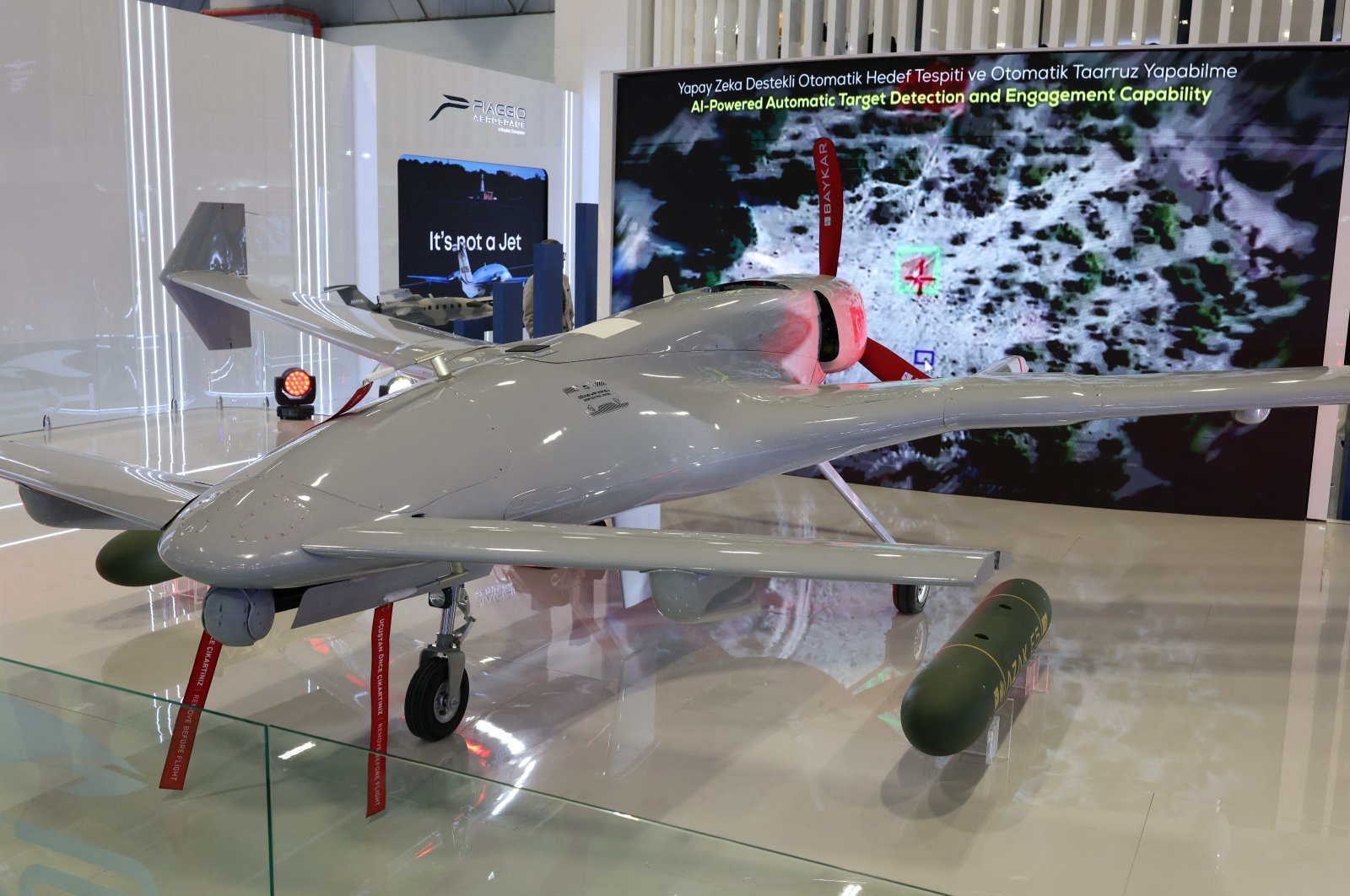
Turkey has transformed into a significant exporter of military equipment, particularly drones, due to two decades of state investment. As NATO allies reassess security dependencies following Russia's invasion of Ukraine, Turkey is seen as a key military partner. The nation now supplies nearly 40 countries with affordable and adaptable weapons, with defense exports tripling since 2021 to $10 billion. Exports to Europe and the U.S. have nearly quadrupled, reflecting the growth of its domestic defense industry, which includes notable companies like Baykar and Turkish Aerospace Industries. Turkey aims to double its defense exports in the next two years, driven by state support and a focus on self-sufficiency. The country is positioned strategically between conflicts in Ukraine and Iran, emphasizing its own security needs. Analysts highlight Turkey's credibility in modern warfare, particularly in drone technology.
Ask AI about this cluster
Answers cite the sources they use
Timeline
More articles in this cluster (5)
Continue Reading
 Critical WSO2 API Manager Vulnerability Under Active Exploitation A critical vulnerability (CVE-2026-5430) in WSO2 API Manager is being actively exploited, allowing unauthenticated attackers to forge admin tokens via JWT authentication bypass. This flaw, which has a CVSS score of 10.0, affects multiple WSO2 products including API Manager, Universal Gateway, Traffic Manager, and API…
  Critical Linux Kernel Vulnerability CVE-2025-39682 Under Active Exploitation A critical vulnerability (CVE-2025-39682) in the Linux kernel allows remote code execution through mishandling of zero-length TLS records. This flaw affects kTLS-enabled hosts running vulnerable kernel versions, exposing them to attackers without authentication. CISA added this vulnerability to its Known Exploited…