 United24Media
 Ukraine Strikes Russian Su-57 and Su-34 Jets in Deep Rear Operation
Article Content

- •Ukraine struck Russian Su-57 and Su-34 aircraft deep inside Russia on April 25, 2026.
- •The operation targeted the Shagol airfield, approximately 1,700 km from Ukraine's border.
- •Damage assessments indicate potential losses of up to $150 million for Russia.
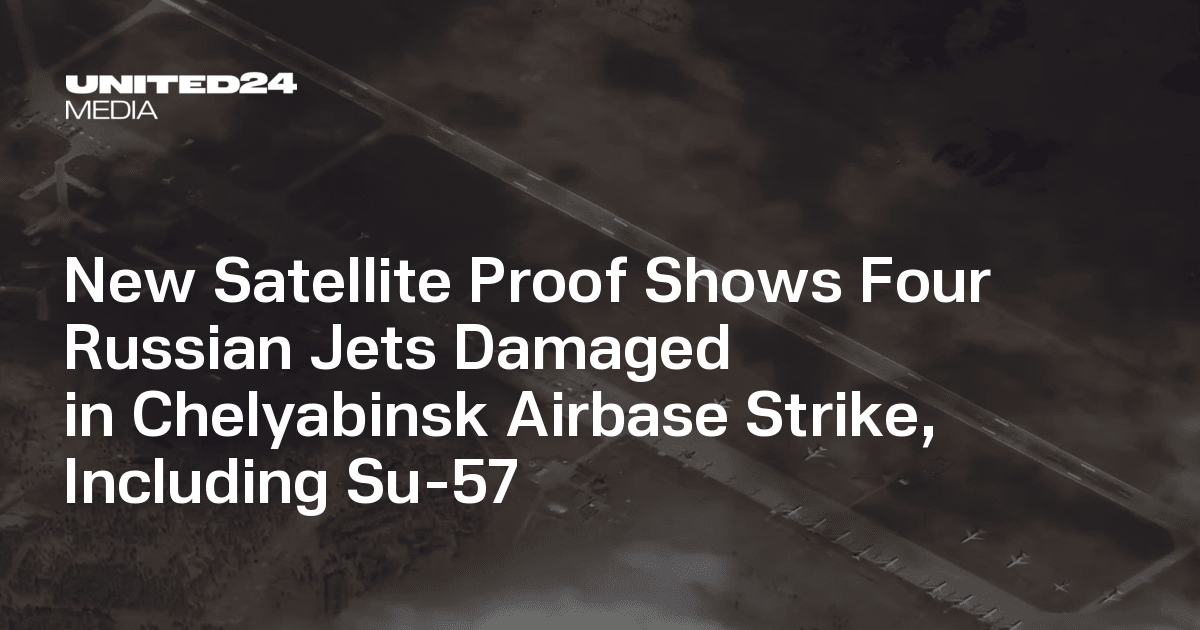
On April 25, 2026, Ukraine's Armed Forces conducted a long-range drone strike on the Shagol airfield in Russia's Chelyabinsk region, approximately 1,700 kilometers from the Ukrainian border. The attack targeted several advanced Russian military aircraft, including two Su-57 stealth fighters and one Su-34 bomber. Satellite imagery confirmed damage to these aircraft, with estimates suggesting potential losses of up to $150 million. The strike is part of Ukraine's strategy to diminish Russia's airstrike capabilities against Ukrainian civilian infrastructure. Ukrainian officials have not disclosed the exact method of attack, leaving open questions about the use of drones or missiles. This operation marks one of Ukraine's deepest strikes into Russian territory since the conflict began. The ongoing assessment of damage indicates a significant tactical impact on Russian air operations. The strike reflects Ukraine's evolving capabilities in conducting long-range operations against high-value targets.
Ask AI about this cluster
Answers cite the sources they use
Timeline
More articles in this cluster (5)
Continue Reading
 Critical WSO2 API Manager Vulnerability Under Active Exploitation A critical vulnerability (CVE-2026-5430) in WSO2 API Manager is being actively exploited, allowing unauthenticated attackers to forge admin tokens via JWT authentication bypass. This flaw, which has a CVSS score of 10.0, affects multiple WSO2 products including API Manager, Universal Gateway, Traffic Manager, and API…
  Critical Linux Kernel Vulnerability CVE-2025-39682 Under Active Exploitation A critical vulnerability (CVE-2025-39682) in the Linux kernel allows remote code execution through mishandling of zero-length TLS records. This flaw affects kTLS-enabled hosts running vulnerable kernel versions, exposing them to attackers without authentication. CISA added this vulnerability to its Known Exploited…