 Kyivpost
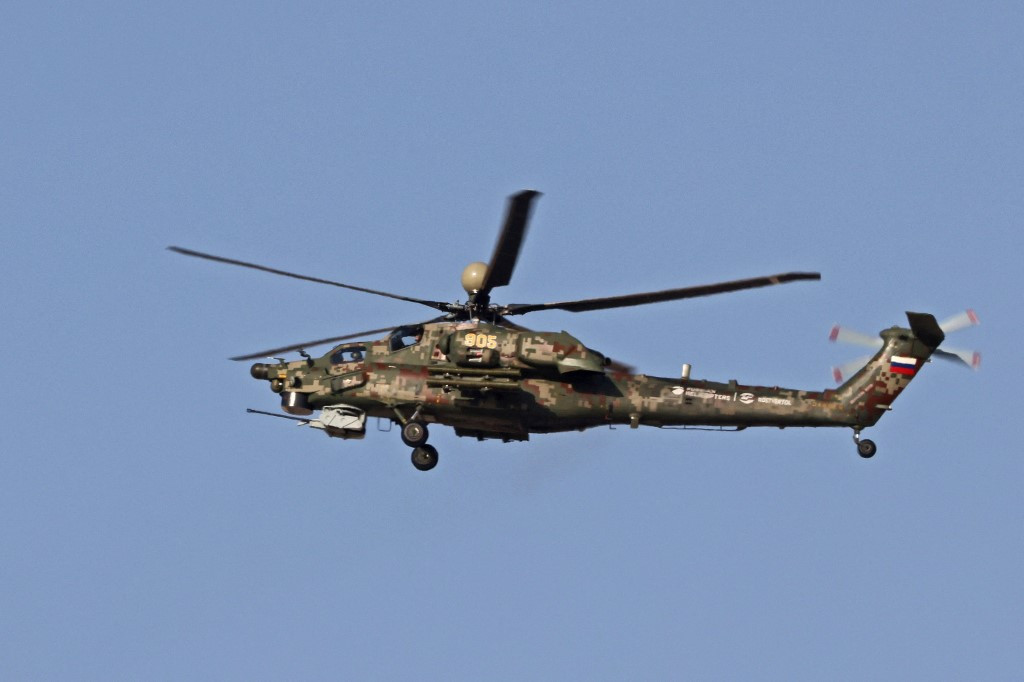
 Ukrainian Drones Target Russian Helicopters in Voronezh Oblast
Article Content

- •Ukrainian drones struck two Russian helicopters in Voronezh Oblast on April 29, 2026.
- •The operation involved multiple Ukrainian military units, showcasing advanced drone warfare tactics.
- •One Russian serviceman was killed, and both helicopters sustained significant damage.
On April 29, 2026, Ukrainian drone pilots from the Unmanned Systems Forces successfully struck two Russian helicopters—Mi-28 and Mi-17—at a field airstrip in Voronezh Oblast, located 150 kilometers from the front line. The operation was executed by crews from the 429th Achilles Separate Unmanned Systems Regiment and the 43rd Separate Artillery Brigade, in collaboration with the Alpha Special Operations Centre. The drones targeted the rear central section of the helicopters' engine compartments, avoiding the main rotor blades. The attack resulted in damage to the helicopters and the death of one Russian serviceman. The Mi-28 is valued at approximately $18 million, while the Mi-17 costs around $15 million. This strike marks a significant escalation in drone warfare tactics employed by Ukraine against Russian military assets deep within their territory.
Ask AI about this cluster
Answers cite the sources they use
Timeline
More articles in this cluster (3)
Continue Reading
 Critical WSO2 API Manager Vulnerability Under Active Exploitation A critical vulnerability (CVE-2026-5430) in WSO2 API Manager is being actively exploited, allowing unauthenticated attackers to forge admin tokens via JWT authentication bypass. This flaw, which has a CVSS score of 10.0, affects multiple WSO2 products including API Manager, Universal Gateway, Traffic Manager, and API…
  Critical Linux Kernel Vulnerability CVE-2025-39682 Under Active Exploitation A critical vulnerability (CVE-2025-39682) in the Linux kernel allows remote code execution through mishandling of zero-length TLS records. This flaw affects kTLS-enabled hosts running vulnerable kernel versions, exposing them to attackers without authentication. CISA added this vulnerability to its Known Exploited…