 Issafrica
 US-Africa Investment Strategy Targets Critical Minerals Amid US-China Competition
Article Content

- •The US and African Union have formed the SIWG to boost investment in Africa's infrastructure and minerals.
- •The US is targeting Namibia for increased uranium imports amid competition with China.
- •The initiatives aim to position African nations as key partners in their economic development.
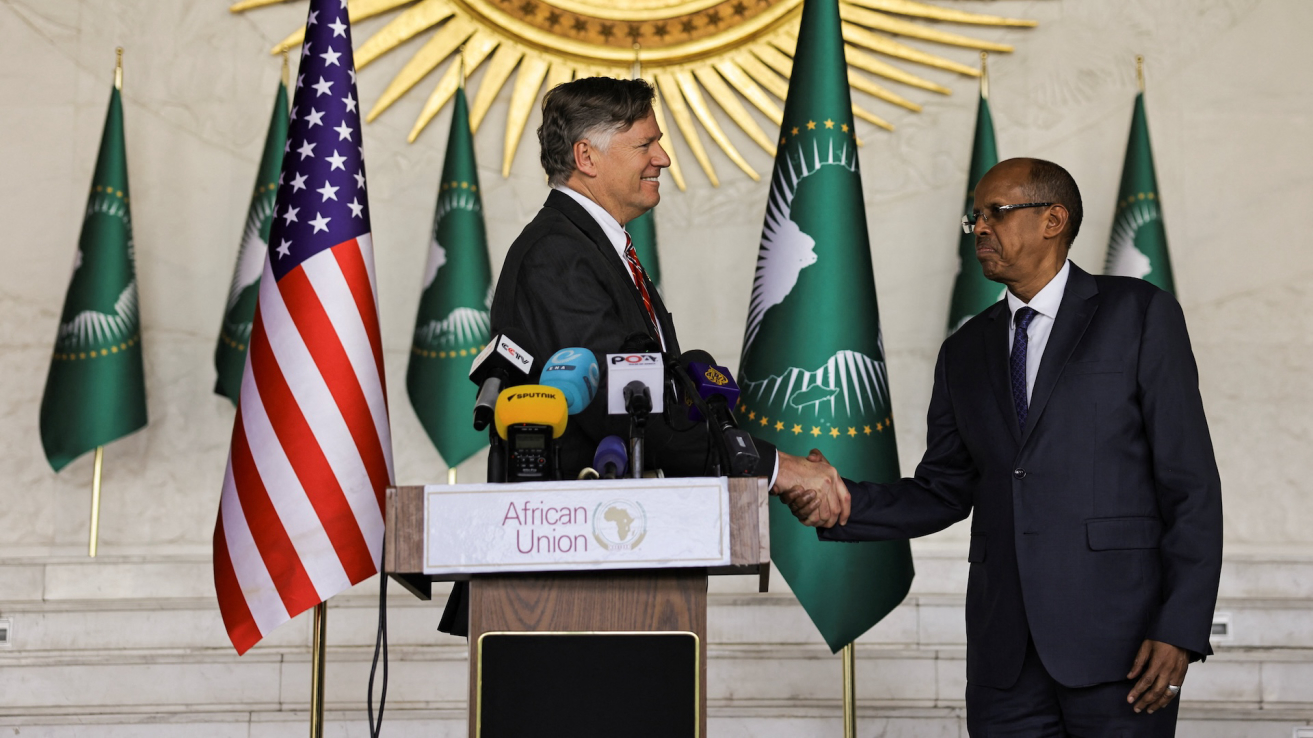
The United States and the African Union Commission have launched the Strategic Infrastructure and Investment Working Group (SIWG) to enhance investment in Africa, particularly in critical minerals and infrastructure. This initiative aims to strengthen US-Africa trade relations while positioning the African Union as a co-creator of projects. Concurrently, the US is increasing its focus on Namibia, Africa's largest uranium producer, to secure critical mineral supplies amid rising competition with China. US officials plan to boost uranium imports from Namibia and support local production through partnerships. The strategy emphasizes the importance of reliable energy and secure supply chains for future industrial strength. The US aims to anchor its capital and expertise in Namibia's mining sector, which is crucial for the global energy transition. The overall impact of these initiatives could reshape investment landscapes in Africa and enhance economic cooperation.
Ask AI about this cluster
Answers cite the sources they use
Timeline
More articles in this cluster (2)
Continue Reading
 Critical BeyondTrust 9.3 Vulnerability Actively Exploited by Threat Actor A critical vulnerability (CVE-2026-102764) in BeyondTrust Remote Support has been discovered and is actively being exploited by the threat group ARMORY CASTLE, reportedly linked to China. The vulnerability, which has a CVSS score of 9.3, allows unauthenticated attackers to upload files and potentially compromise host…
  Lazarus APT Launches Operation FlashHole Using AI and Post-Quantum Cryptography Kaspersky has identified a cyberespionage campaign, dubbed Operation FlashHole, attributed to the Lazarus APT group, active since July 2025. The campaign has targeted at least three organizations in South Korea's construction, software, and wire-communication sectors. Attack methods include spear-phishing emails…