 Businesstoday.In
 US Officials Under Digital Lockdown in China Amid Cybersecurity Fears
Article Content

- •U.S. officials are using temporary devices to avoid surveillance during Trump's China visit.
- •China is designated as a high-risk country for cyber threats, prompting extreme security protocols.
- •Officials are prohibited from using local Wi-Fi and charging stations to prevent hacking.
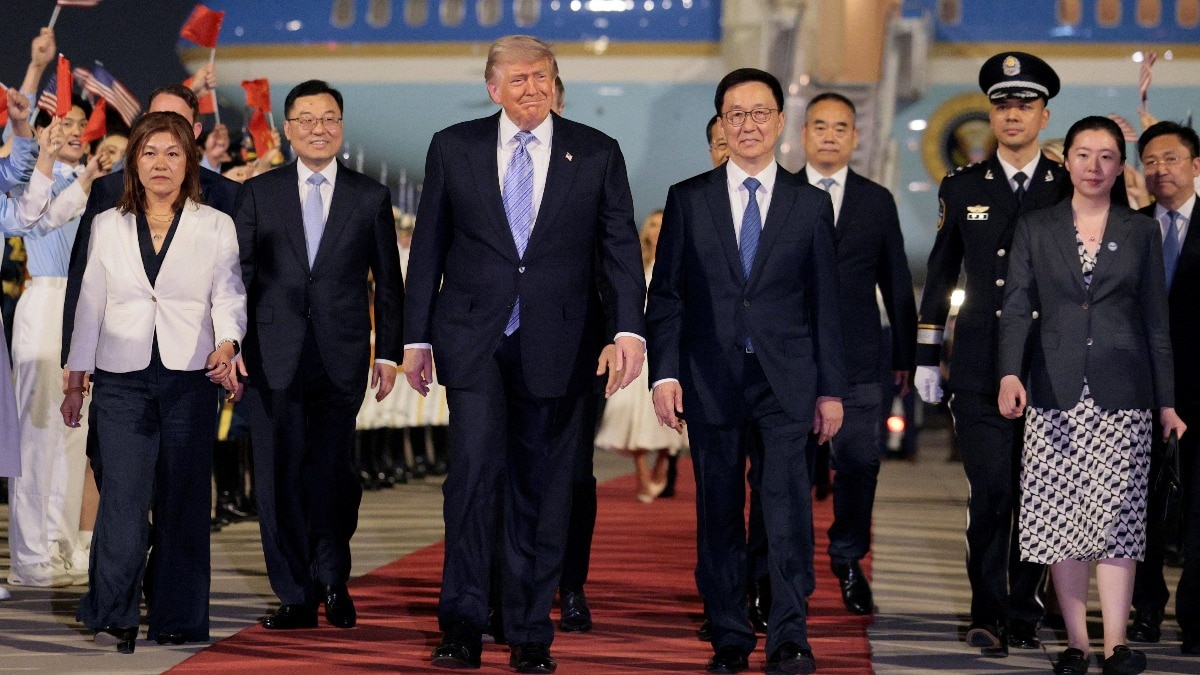
During President Donald Trump's visit to China, U.S. officials are operating under a strict 'digital lockdown' due to concerns over cyber espionage. Delegation members, including executives from major corporations, left personal devices behind and were issued temporary 'clean' phones and laptops to minimize surveillance risks. The U.S. government has classified China as a high-risk environment for cyber threats, prompting these extreme security measures. Officials have been advised against using local Wi-Fi and charging stations, with specific warnings about 'juice jacking'—a method of malware installation via public charging ports. Communication is restricted to controlled channels, and sensitive discussions are held in specially designed Sensitive Compartmented Information Facilities (SCIFs). The measures reflect ongoing tensions between the U.S. and China regarding cyber espionage and security. The situation complicates diplomatic and business communications during the visit.
Ask AI about this cluster
Answers cite the sources they use
Timeline
More articles in this cluster (5)
Following this threat?
Track Salt Typhoon in your own feed — you're alerted when they show up in new reporting, leak sites or exploitation.
Free account · no card needed
Continue Reading
 China-Linked QTFY Group Targets Critical Infrastructure with Advanced Exploits The Joint Cybersecurity Advisory JCSA-20260826-01, released on August 26, 2026, details ongoing activities by the China-linked hacking group QTFY, attributed to Nanjing Xinjiuwei Network Technology Co. Active since 2018, QTFY employs platforms like QScan and QTRouter to exploit vulnerabilities in critical…
  Fire Ant Threat Actor Targets Trusted Infrastructure in 2026 The China-nexus threat actor known as Fire Ant has evolved its tactics in 2026, transitioning from targeting VMware hypervisors to compromising trusted infrastructure, including Cisco routers, TACACS authentication servers, and Linux management hosts. This shift allows Fire Ant to collect credentials, traffic, and…