 pr.report
 Vulnerabilities in Vibe-Coded Applications Highlighted
Article Content

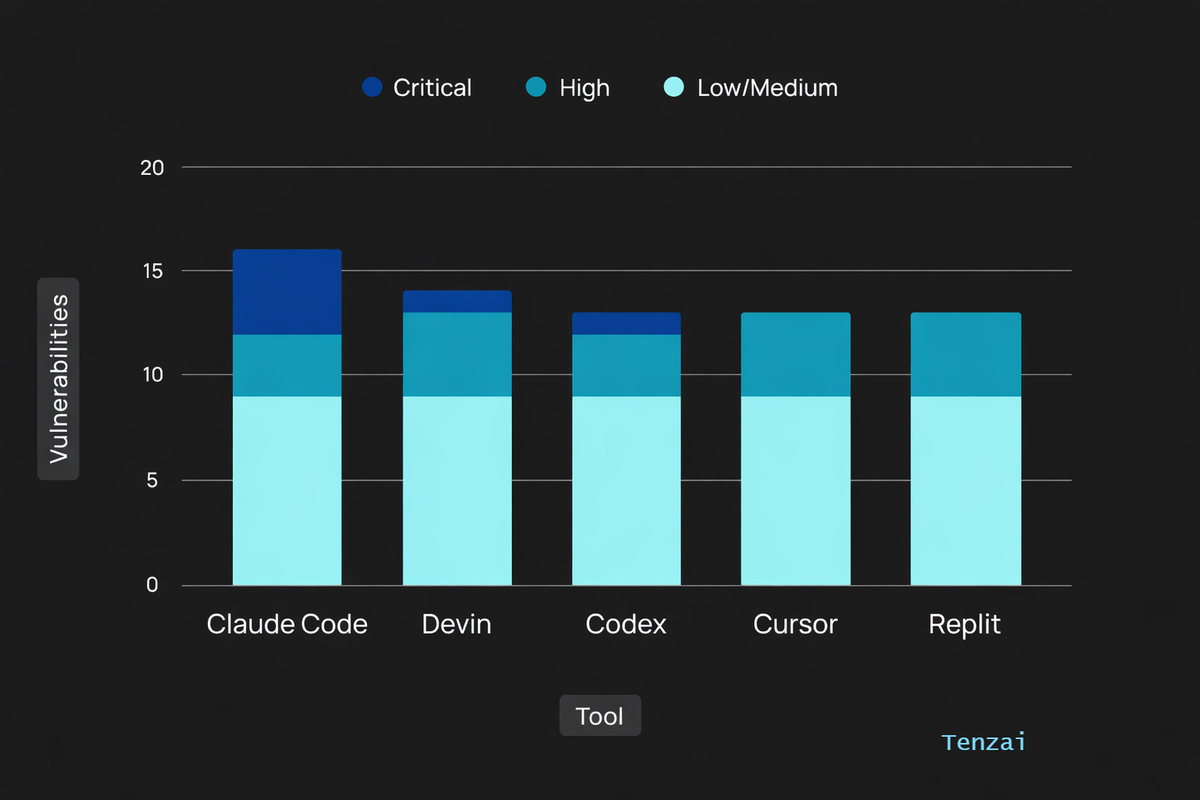
- •Tenzai's study found 69 vulnerabilities in vibe-coded applications from five coding agents.
- •Common issues include broken access control and missing security measures in generated code.
- •AI coding agents excel at avoiding certain vulnerabilities but struggle with complex authorization.
Recent analyses of vibe-coded applications reveal common security vulnerabilities due to the nature of AI coding agents. Tenzai's research identified 69 vulnerabilities across five popular coding agents, focusing on their ability to write secure code. Notably, while agents effectively avoided SQL injection and XSS vulnerabilities, they struggled with complex authorization issues, particularly in API access controls. Strobes.Co outlined five critical flaws consistently found in vibe-coded apps, emphasizing the absence of essential security measures like access control checks. These vulnerabilities stem from the AI's focus on functional output rather than security considerations. The findings indicate a significant risk for organizations relying on AI-generated code without thorough audits.
Ask AI about this cluster
Answers cite the sources they use
Timeline
More articles in this cluster (2)
Continue Reading
 CISA Mandates Urgent Patching of Five Critical Flaws Exploited by Flax Typhoon The U.S. Cybersecurity and Infrastructure Security Agency (CISA) has ordered federal agencies to patch five critical vulnerabilities by October 11, 2026, following exploitation by the China-linked hacking group Flax Typhoon. The vulnerabilities, added to CISA's Known Exploited Vulnerabilities (KEV) catalog, include…
  Critical Zero-Day Exploit Found in BeyondTrust Remote Support BeyondTrust disclosed a critical vulnerability, CVE-2026-102764, in its Remote Support product, exploited by the suspected China-linked group ARMORY CASTLE since August 2026. This flaw, with a CVSS score of 9.3, allows attackers to perform arbitrary file uploads and gain host-level control without requiring…