 Atlanticcouncil
 AI and Cyber Warfare Transform Iran-Israel-US Conflict Dynamics
Article Content

- •AI is transforming military operations, shifting focus from conventional warfare to data dominance.
- •Automated decision-making systems increase the risk of miscalculations and targeting errors.
- •The integration of AI in military strategies raises significant implications for international security.
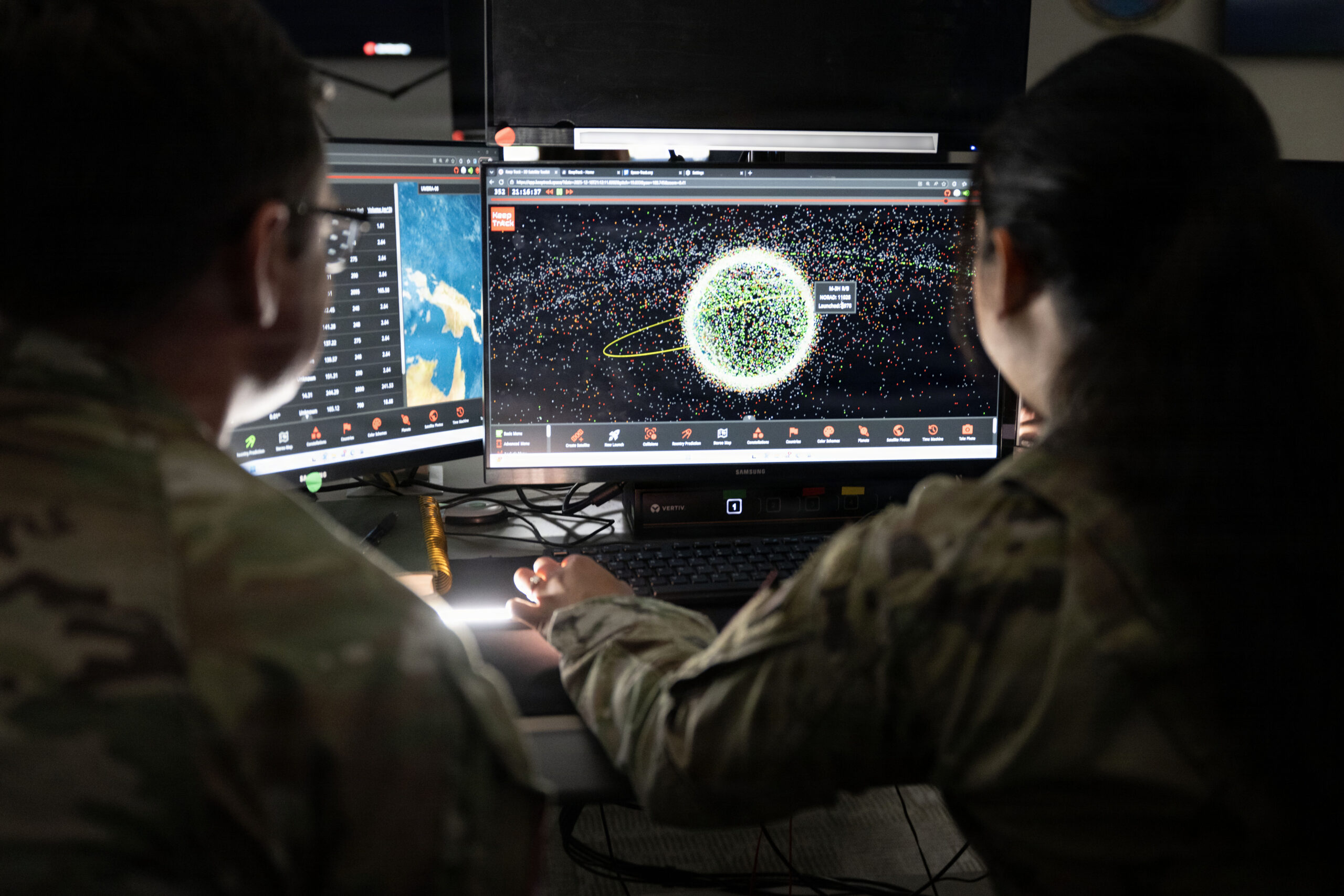
The integration of artificial intelligence (AI) into military operations is reshaping the conflict among Iran, Israel, and the United States. AI is enhancing capabilities in targeting and cyber warfare, compressing decision-making cycles from days to minutes. This shift towards data dominance raises the risk of miscalculations and targeting errors, particularly due to automation bias. AI-powered systems, such as the US Project Maven and Israeli platforms like Gospel and Lavender, are now integral to military decision-making processes. The reliance on these technologies blurs the lines of responsibility and increases the potential for conflict escalation. As cyber warfare expands, the implications for international security are significant, with both state and non-state actors adapting to these new realities. The current status reflects an ongoing evolution in military strategy, emphasizing the importance of AI in future conflicts.
Ask AI about this cluster
Answers cite the sources they use
Timeline
More articles in this cluster (2)
Continue Reading
 CVE-2015-3306 Exploited in ProFTPD FTP Servers CVE-2015-3306, a vulnerability in ProFTPD 1.3.5, allows remote attackers to read and write arbitrary files using the SITE CPFR and SITE CPTO commands. This exploit can lead to unauthorized access and potential remote code execution, as the commands are executed with the privileges of the ProFTPD service. Active…
  CISA Mandates Urgent Patching of Five Critical Flaws Exploited by Flax Typhoon The U.S. Cybersecurity and Infrastructure Security Agency (CISA) has ordered federal agencies to patch five critical vulnerabilities by October 11, 2026, following exploitation by the China-linked hacking group Flax Typhoon. The vulnerabilities, added to CISA's Known Exploited Vulnerabilities (KEV) catalog, include…