 Cybersecuritynews
 Boggy Serpens Escalates Cyberespionage Against Diplomats and Infrastructure
Article Content

- •Boggy Serpens has escalated cyberespionage targeting diplomats and critical infrastructure.
- •The group has transitioned to stealthier attack methods, moving away from high-volume phishing.
- •Ongoing operations indicate a sustained threat from this Iranian state-sponsored group.
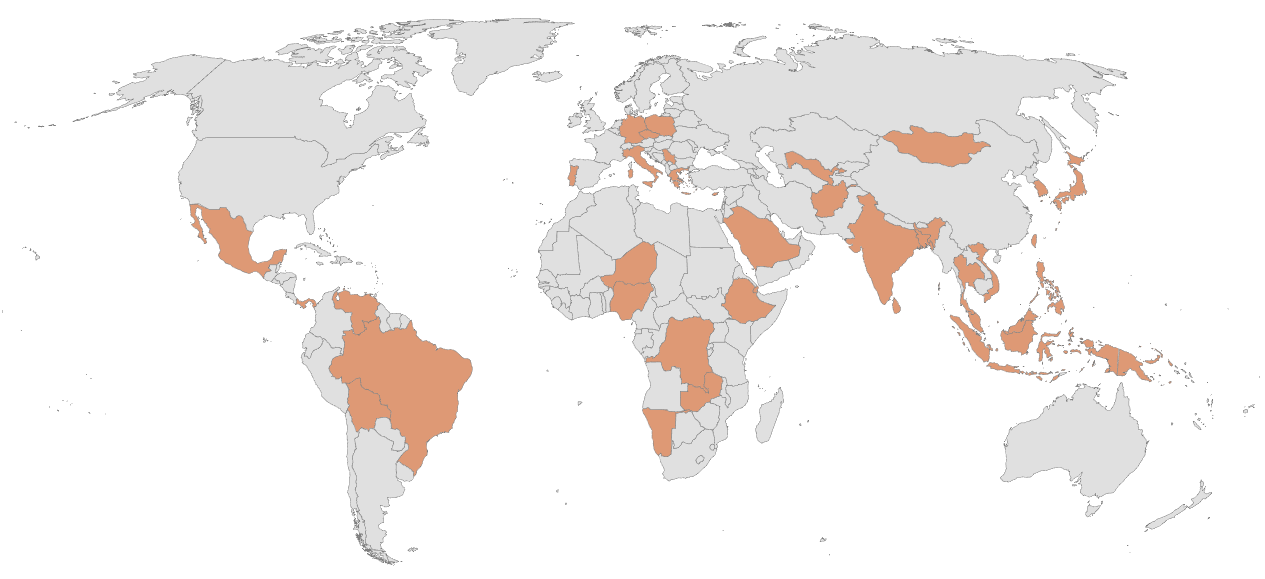
The Iranian nation-state group Boggy Serpens, also known as MuddyWater, has intensified its cyberespionage activities, targeting diplomatic missions, energy companies, maritime operators, and financial institutions. This group, attributed to Iran's Ministry of Intelligence and Security (MOIS), has shifted its tactics from high-volume phishing to more stealthy and persistent methods. The campaigns have been particularly focused on regions including the Middle East, Europe, and the Caucasus. The attacks have raised significant concerns among affected organizations, although specific numbers of victims and technical details such as CVEs or tools used were not provided in the articles. The operations are ongoing, indicating a sustained threat level. The group has been active since at least 2017, suggesting a long-term strategic approach to cyberespionage. Current advisories recommend heightened vigilance among targeted sectors.
Ask AI about this cluster
Answers cite the sources they use
Timeline
More articles in this cluster (2)
Following this threat?
Track Boggy Serpens in your own feed — you're alerted when they show up in new reporting, leak sites or exploitation.
Free account · no card needed
Continue Reading
 CISA Mandates Urgent Patching of Five Critical Flaws Exploited by Flax Typhoon The U.S. Cybersecurity and Infrastructure Security Agency (CISA) has ordered federal agencies to patch five critical vulnerabilities by October 11, 2026, following exploitation by the China-linked hacking group Flax Typhoon. The vulnerabilities, added to CISA's Known Exploited Vulnerabilities (KEV) catalog, include…
  Critical Zero-Day Exploit Found in BeyondTrust Remote Support BeyondTrust disclosed a critical vulnerability, CVE-2026-102764, in its Remote Support product, exploited by the suspected China-linked group ARMORY CASTLE since August 2026. This flaw, with a CVSS score of 9.3, allows attackers to perform arbitrary file uploads and gain host-level control without requiring…