 Thedfirreport
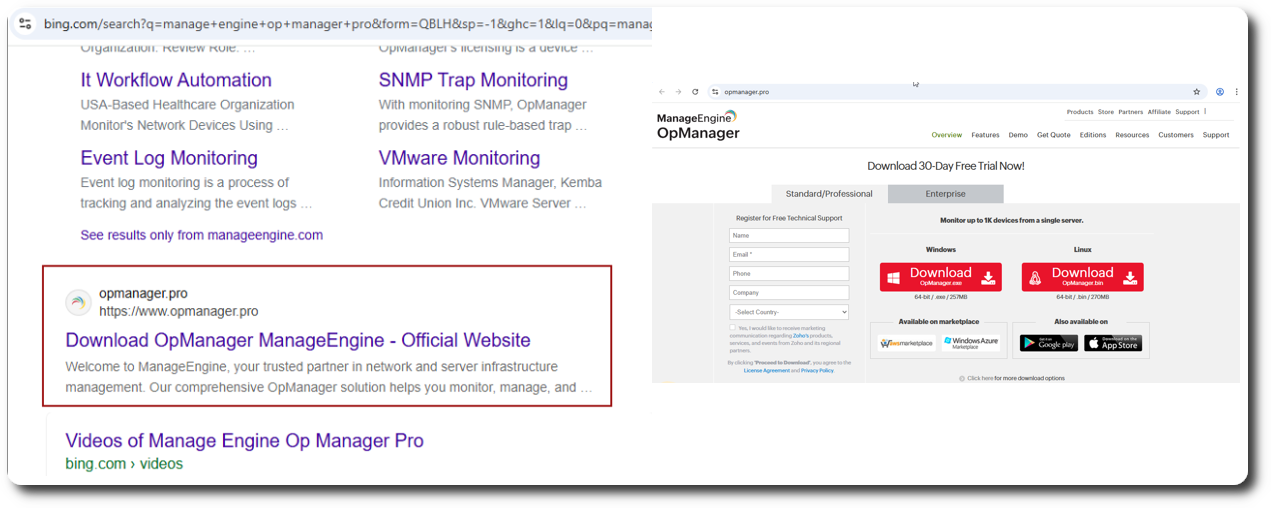
 BumbleBee and AdaptixC2 Facilitate Akira Ransomware via Bing SEO Poisoning
Article Content

- •BumbleBee and AdaptixC2 are used to deliver Akira ransomware via Bing SEO poisoning.
- •The campaign is notable for its efficiency rather than novelty in attack stages.
- •Previous intrusions linked to this campaign were reported in 2025, indicating ongoing risk.
A sophisticated cyber campaign utilizing BumbleBee and AdaptixC2 has been identified, leveraging Bing SEO poisoning to deliver Akira ransomware. This method transforms trusted search traffic into a vector for enterprise compromise. The attack is not characterized by any novel techniques but rather by the efficiency of its execution across multiple stages. The campaign has been linked to previous intrusions reported in 2025, indicating a persistent threat. Organizations relying on Bing for search traffic may be particularly vulnerable to this attack vector. Current mitigation strategies are not detailed, leaving many systems at risk. The attack's scope is significant, affecting potentially numerous enterprises that utilize Bing for search engine optimization.
Ask AI about this cluster
Answers cite the sources they use
Timeline
More articles in this cluster (2)
Following this threat?
Track Akira in your own feed — you're alerted when they show up in new reporting, leak sites or exploitation.
Free account · no card needed
Continue Reading
 Chinese Smishing Gang Targets Ireland and Four Other EU Countries Ireland is identified as one of five EU countries targeted by the Chinese text-scam group known as Smishing Triad, as reported by the EU cyber security agency Enisa. This group conducts large-scale smishing operations, which involve sending fraudulent text messages that impersonate legitimate organizations to steal…
  Network Segmentation Failures Heighten Cyberattack Risks in 2026 Forescout's analysis of 47,700 network segments across 209 organizations reveals significant network segmentation failures, particularly involving IT, OT, IoT, and IoMT devices. The study found that 62% of segments contained only one device category, while 29% had two and 9% had three or more. Notably, only 13% of…