 Kyivpost
 Chinese AI Firms Expose US Military Movements in Iran Conflict
Article Content

- •Chinese firms are using AI to track US military movements in the Iran war.
- •MizarVision and similar companies provide detailed intelligence on US bases and operations.
- •The US government is concerned about the implications for military strategy and regional stability.
Since the onset of the Iran war five weeks ago, Chinese private firms have been disseminating detailed intelligence regarding US military operations, including troop movements and aircraft positioning. These firms, linked to the People’s Liberation Army, utilize AI to analyze open-source data such as satellite imagery and flight tracking. Notably, MizarVision has been tracking US bases in Israel, Saudi Arabia, and Qatar, providing insights that could potentially compromise US military strategies. The US government is alarmed by these developments, as they suggest a sophisticated level of surveillance that could enhance China's military capabilities. Despite Beijing's official stance of neutrality, the activities of these firms raise concerns about China's role in the conflict. The situation is further complicated by US diplomatic efforts to stabilize the region amidst ongoing tensions. As the war disrupts global energy security, the implications of this intelligence sharing could have far-reaching consequences for US interests in the Middle East.
Ask AI about this cluster
Answers cite the sources they use
Timeline
More articles in this cluster (2)
Continue Reading
 US Military Aircraft Losses in Iran War Reach 81, Costing Up to $3.3 Billion A recent Congressional Research Service report indicates that 81 U.S. military aircraft have been lost or damaged since the start of Operation Epic Fury against Iran on February 28, 2026. The losses include 45 MQ-9 Reaper drones, 12 F-15E Strike Eagles, and an F-35A fighter jet, with total damages estimated between…
 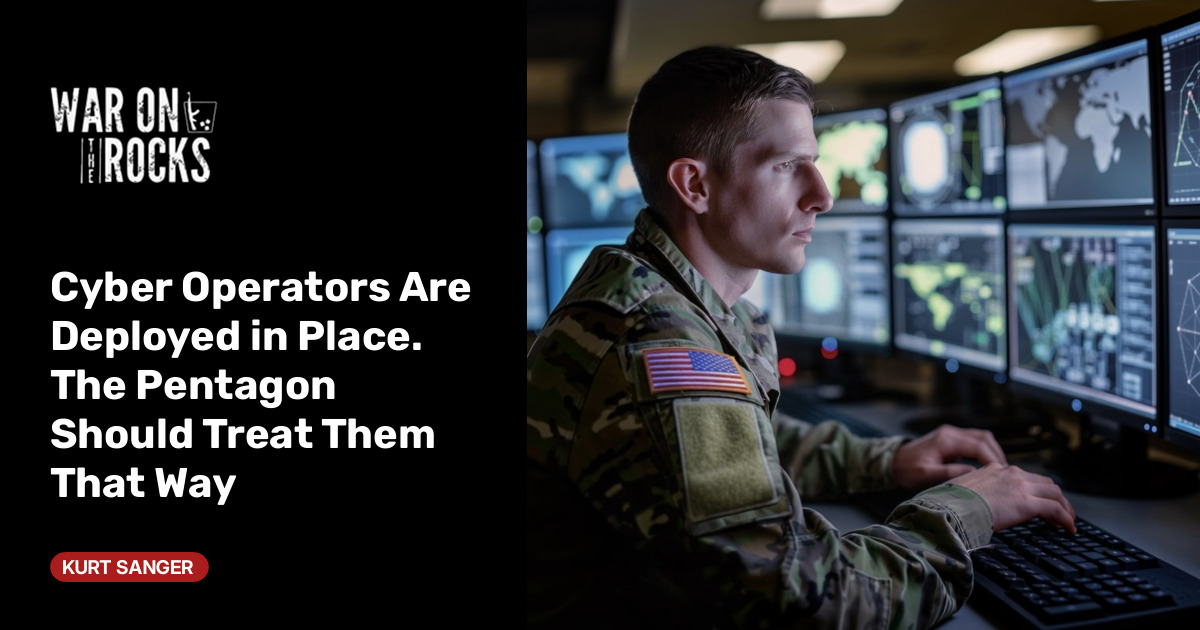 Pentagon Responds to Cyber Command Suicide Cluster with Urgent Actions Following reports of a suicide cluster among personnel at U.S. Cyber Command, the Pentagon issued a directive on August 31, 2026, mandating immediate actions to improve mental health support for operators. The directive, from Katherine Sutton, emphasized the need for proactive structures to safeguard personnel…