 Hitachienergy
 Electricity Supply Crisis: A National Security Concern
Article Content
Browse articles 
- •Electricity demand is rising faster than supply, posing national security risks.
- •The Strait of Hormuz crisis has exposed vulnerabilities in global energy supply chains.
- •Transitioning to renewable energy introduces new challenges for electricity grid stability.
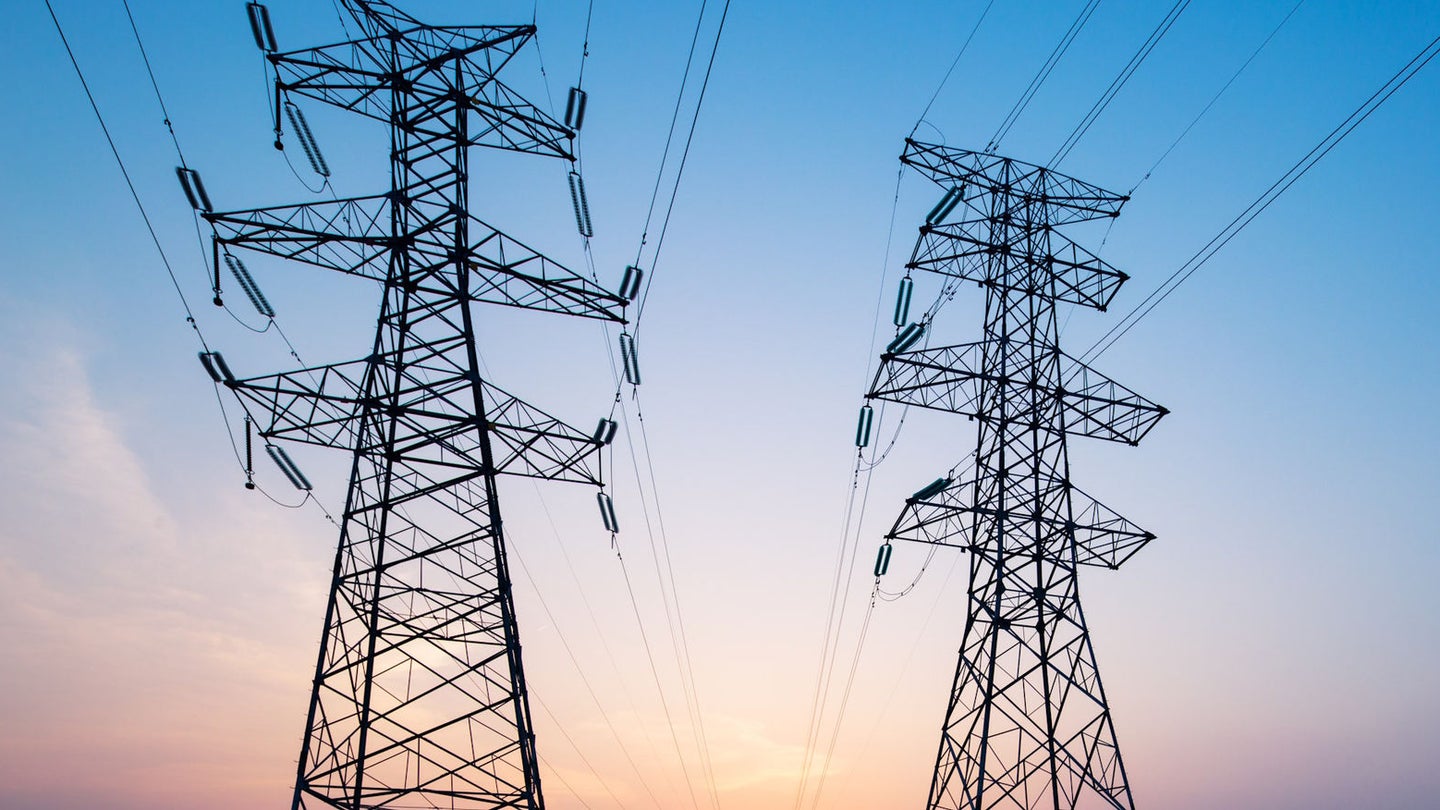
The global energy landscape is facing a crisis as demand for electricity outpaces supply, making it a national security issue. The recent Strait of Hormuz crisis highlighted vulnerabilities in the hydrocarbon system, with 25% of global oil supplies at risk. The transition to renewable energy introduces new challenges, as electricity demand is projected to grow by over 3.5% annually by 2030. The fragility of global supply chains for critical materials poses additional risks to power grids. Disruptions in the value chain can lead to significant economic shocks. As electricity becomes central to the economy, ensuring the robustness of power grids is crucial.
Ask AI about this cluster
Answers cite the sources they use
Updated 55d ago How this analysis works
Timeline
Recent
Strait of Hormuz crisis
The crisis highlighted vulnerabilities in global hydrocarbon supply chains, affecting 25% of oil supplies.
HitachienergyRecent
Rising electricity demand forecast
Global electricity consumption is expected to grow over 3.5% annually by 2030, driven by AI and electrification trends.
HitachienergyRecent
Energy transition challenges identified
The shift to renewable energy is creating new challenges for maintaining stable electricity supply and grid integrity.
HitachienergyMore articles in this cluster (3)
Continue Reading
 CVE-2015-3306 Exploited in ProFTPD FTP Servers CVE-2015-3306, a vulnerability in ProFTPD 1.3.5, allows remote attackers to read and write arbitrary files using the SITE CPFR and SITE CPTO commands. This exploit can lead to unauthorized access and potential remote code execution, as the commands are executed with the privileges of the ProFTPD service. Active…
  CISA Mandates Urgent Patching of Five Critical Flaws Exploited by Flax Typhoon The U.S. Cybersecurity and Infrastructure Security Agency (CISA) has ordered federal agencies to patch five critical vulnerabilities by October 11, 2026, following exploitation by the China-linked hacking group Flax Typhoon. The vulnerabilities, added to CISA's Known Exploited Vulnerabilities (KEV) catalog, include…