 Cepa
Cepa Escalating Russian Shadow Warfare Threatens European Security
Article Content

- •Russian shadow warfare targets critical European infrastructure and military facilities.
- •Western responses are slow and fragmented, failing to match the tempo of Russian attacks.
- •Deterrence must evolve to include collective assessments and a unified response framework.
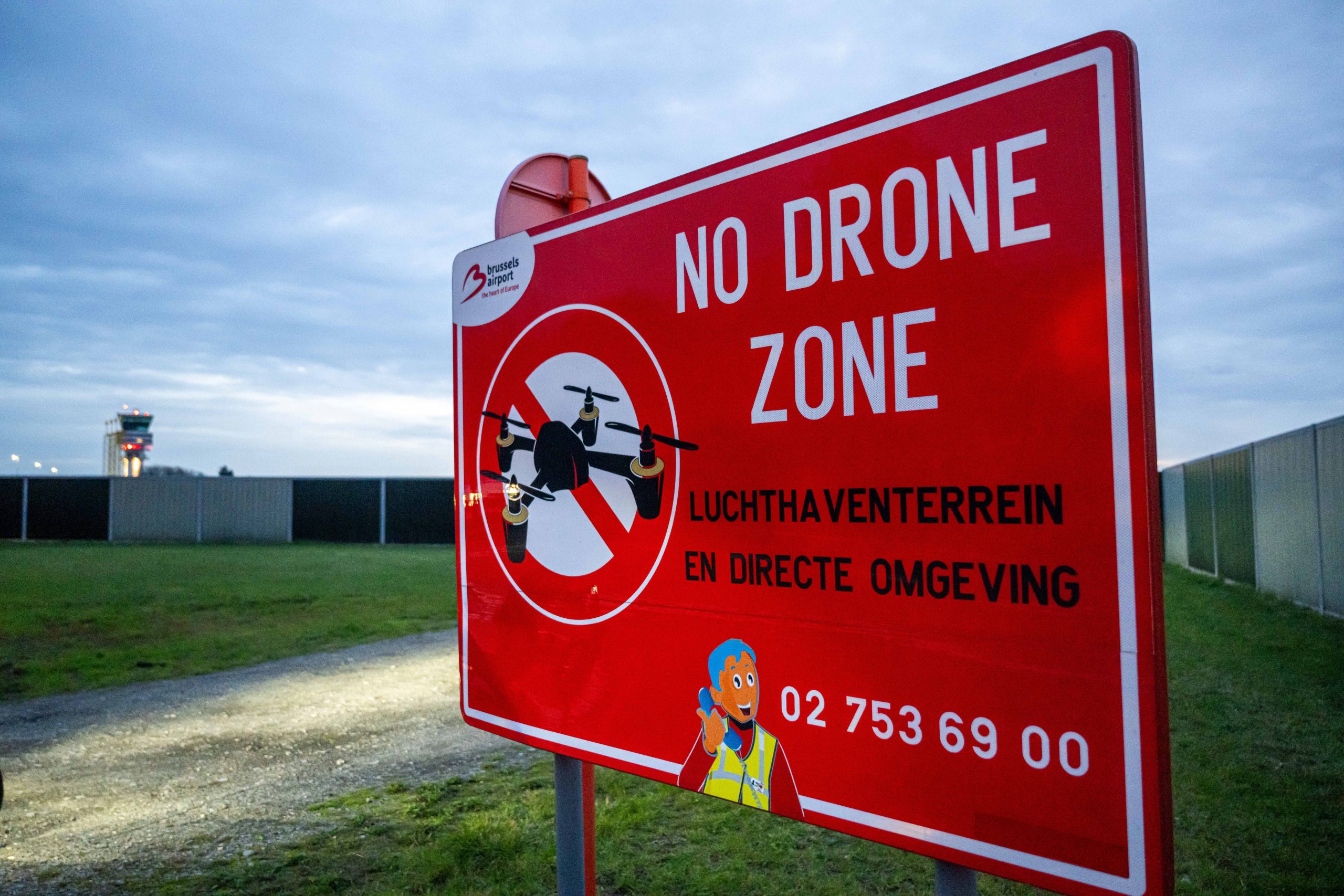
Russian-linked actors have intensified their shadow warfare across Europe, targeting critical infrastructure and military facilities. This campaign includes cyber intrusions, sabotage of energy systems, and surveillance of defense officials, with Ukraine being the most visible front. The attacks are often unclaimed and attributed ambiguously, complicating Western responses. CEPA's research indicates that these actions are synchronized with Russia's broader war aims in Ukraine, posing a long-term threat to European security. The mismatch between Russia's rapid, deniable tactics and the West's slow, consensus-driven responses hinders effective deterrence. Recommendations include normalizing collective consultations among European allies and treating hybrid threats as a unified strategy. The current status shows a pressing need for structural changes in how Europe responds to these threats.
Ask AI about this cluster
Answers cite the sources they use
Timeline
More articles in this cluster (2)
Continue Reading
 Critical Zero-Day Exploited in BeyondTrust Remote Support by China-linked Group A critical vulnerability in BeyondTrust Remote Support, tracked as CVE-2026-102764 with a CVSS score of 9.3, has been exploited by the China-linked espionage group Armory Castle since August 29, 2026. This flaw allows unauthenticated remote attackers to perform file operations, gaining root control and access to…
  Silent Lynx Targets CIS Governments via WinRAR Exploit The threat actor Silent Lynx has launched a series of attacks against government organizations in the Commonwealth of Independent States (CIS) from June 2025 to August 2026. These attacks exploit a vulnerability in WinRAR (CVE-2025-8088) to deploy reverse shells, including FoalShell and PickleShell, facilitating…