 Unn.Ua
 Russia Provides Satellite Intelligence to Iran Targeting US Bases
Article Content

- •Russian satellites conducted surveillance on US military bases in the Middle East.
- •Intelligence is reportedly shared with Iran to facilitate attacks on US forces.
- •Zelenskyy warns that lifting sanctions on Russia may inadvertently support its military actions.
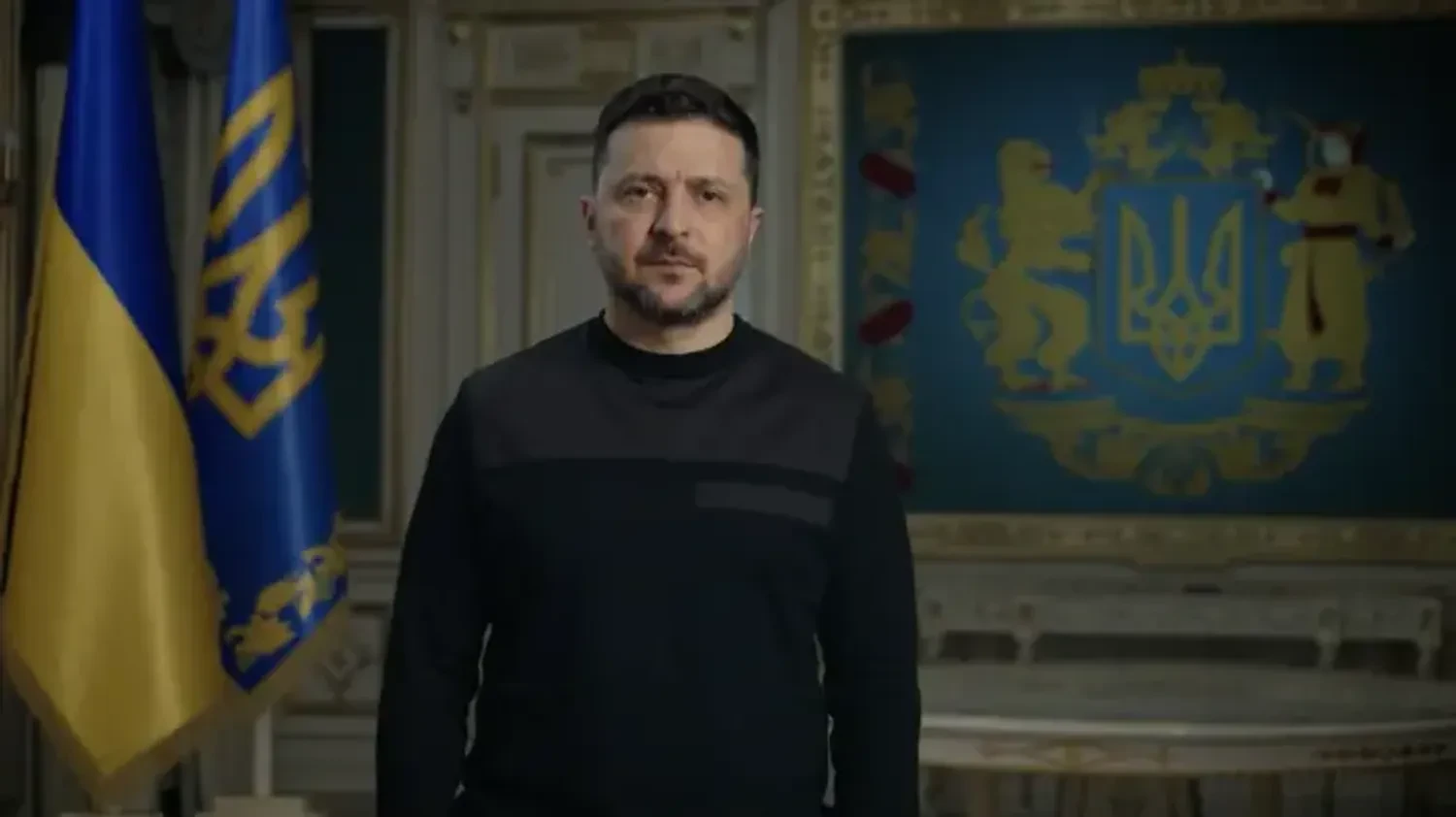
Ukrainian President Volodymyr Zelenskyy reported that Russian satellites conducted surveillance on US military facilities in the Middle East, specifically targeting the Prince Sultan Air Base in Saudi Arabia, Diego Garcia, and other strategic locations. This intelligence is believed to be shared with Iran, facilitating missile and drone strikes against US and allied forces. The surveillance occurred on March 20, 23, and 25, with an attack on the Prince Sultan Air Base occurring on March 26, injuring ten American service members. Zelenskyy emphasized that such repeated imaging indicates preparation for an imminent attack. He criticized the lifting of sanctions on Russia, arguing it indirectly supports its military operations. The situation raises significant concerns about the implications for US and allied military security in the region. Independent analysis corroborated the intelligence claims, highlighting the capabilities of Russian reconnaissance satellites. The ongoing conflict in the Middle East has heightened the urgency for enhanced security measures among US allies.
Ask AI about this cluster
Answers cite the sources they use
Timeline
More articles in this cluster (27)
Following this threat?
Track Prince Sultan Air Base in your own feed — you're alerted when they show up in new reporting, leak sites or exploitation.
Free account · no card needed
Continue Reading
 CISA Mandates Urgent Patching of Five Critical Flaws Exploited by Flax Typhoon The U.S. Cybersecurity and Infrastructure Security Agency (CISA) has ordered federal agencies to patch five critical vulnerabilities by October 11, 2026, following exploitation by the China-linked hacking group Flax Typhoon. The vulnerabilities, added to CISA's Known Exploited Vulnerabilities (KEV) catalog, include…
  Critical Zero-Day Exploit Found in BeyondTrust Remote Support BeyondTrust disclosed a critical vulnerability, CVE-2026-102764, in its Remote Support product, exploited by the suspected China-linked group ARMORY CASTLE since August 2026. This flaw, with a CVSS score of 9.3, allows attackers to perform arbitrary file uploads and gain host-level control without requiring…