 Straitstimes
 Surge in Apple iMessage and Impersonation Scams Cost Users Millions
Article Content

- •Phishing scams via Apple iMessage have led to $2.2 million in reported losses in two weeks.
- •Scammers impersonate courier companies and use spoofed websites to steal sensitive information.
- •Separate scams involving pop-up notifications have resulted in at least $195,000 in cryptocurrency losses.
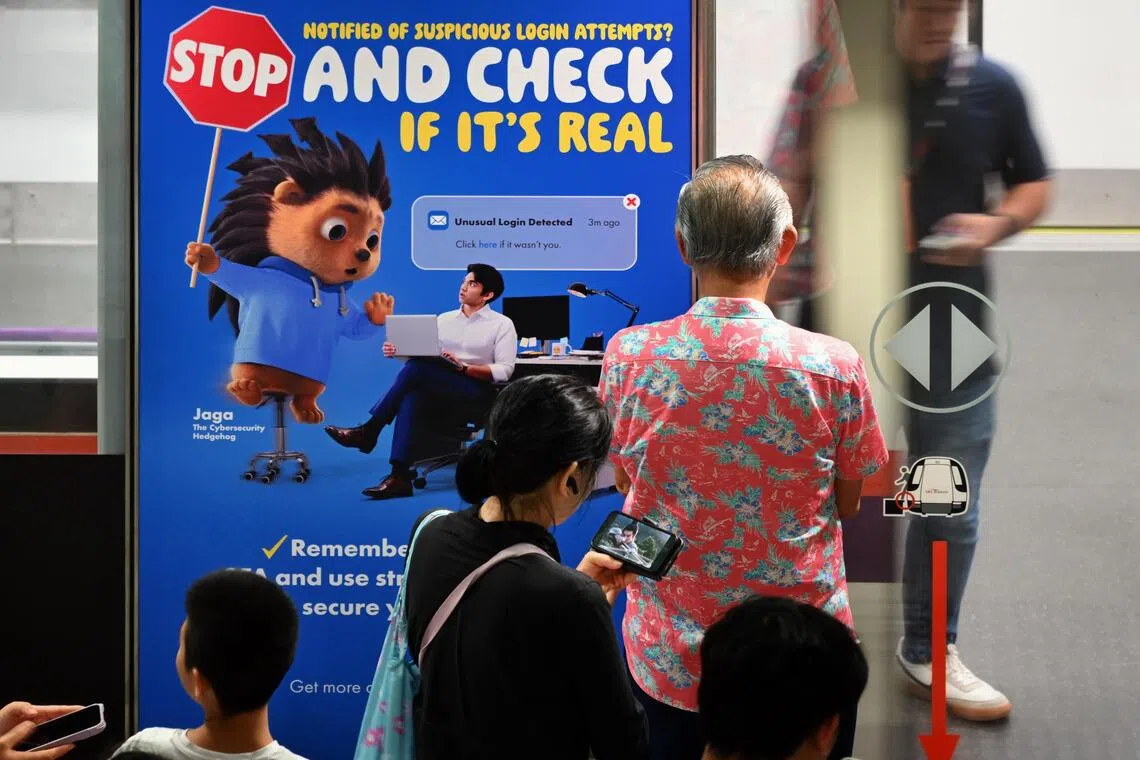
Phishing scams impersonating courier companies via Apple iMessage have surged, resulting in losses of approximately $2.2 million in Singapore within two weeks. The police reported that over 30,000 iMessage accounts linked to the scams were disrupted. Victims receive messages from numbers with foreign country codes, prompting them to click on links to spoofed websites. In a separate scam variant, users reported nearly $200,000 in cryptocurrency losses due to fraudulent pop-up notifications claiming unauthorized access to their Apple accounts. Scammers often follow up with unsolicited calls impersonating Apple support, directing victims to fraudulent sites. The police have issued advisories to help users identify and avoid these scams. Victims often realize they have been scammed only after unauthorized transactions occur.
Ask AI about this cluster
Answers cite the sources they use
Timeline
More articles in this cluster (2)
Continue Reading
 CVE-2015-3306 Exploited in ProFTPD FTP Servers CVE-2015-3306, a vulnerability in ProFTPD 1.3.5, allows remote attackers to read and write arbitrary files using the SITE CPFR and SITE CPTO commands. This exploit can lead to unauthorized access and potential remote code execution, as the commands are executed with the privileges of the ProFTPD service. Active…
  CISA Mandates Urgent Patching of Five Critical Flaws Exploited by Flax Typhoon The U.S. Cybersecurity and Infrastructure Security Agency (CISA) has ordered federal agencies to patch five critical vulnerabilities by October 11, 2026, following exploitation by the China-linked hacking group Flax Typhoon. The vulnerabilities, added to CISA's Known Exploited Vulnerabilities (KEV) catalog, include…