 United24Media
Ukraine Hacks Russian Defense Lab, Exposes Missile and Laser Weapon Secrets
Article Content

- •Ukraine's intelligence hacked a major Russian defense lab, Polyus, obtaining classified data.
- •The leaked documents reveal Russia's dependence on Chinese technology for missile systems.
- •The operation exposes vulnerabilities in Russia's military-industrial complex amid ongoing cyber warfare.
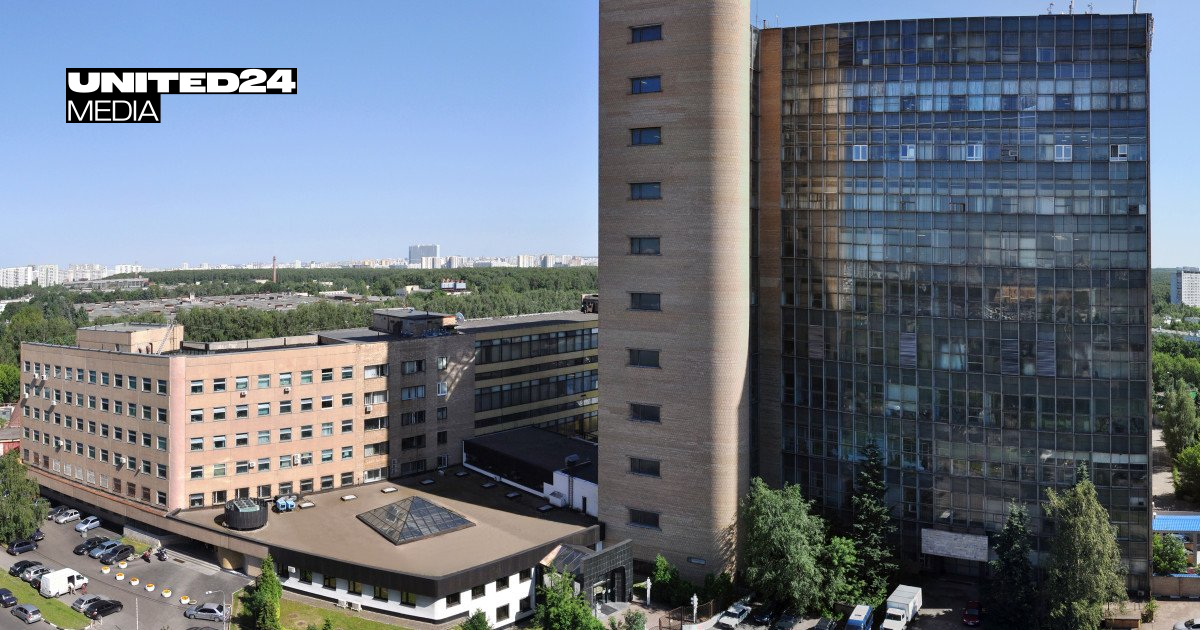
Ukraine's military intelligence agency successfully hacked the M.F. Stelmakh Research Institute 'Polyus,' a key Russian defense lab, on July 7, 2026. The operation yielded tens of gigabytes of classified data, including internal correspondence, technical documentation, and personal information of engineers.
The leaked documents reveal Russia's reliance on Chinese suppliers for critical components in missile and drone systems, particularly for the Iskander missile. Additionally, the archive details Russia's development of a laser-based counter-drone system, which is currently in testing phases.
The operation highlights vulnerabilities in Russia's military-industrial complex and its dependency on foreign technology despite international sanctions. This breach underscores ongoing cyber warfare between Ukraine and Russia, with significant implications for military capabilities on both sides.
Ask AI about this cluster
Answers cite the sources they use
Timeline
More articles in this cluster (2)
Following this threat?
Track M. F. Stelmakh Polyus Research Institute in your own feed — you're alerted when they show up in new reporting, leak sites or exploitation.
Free account · no card needed
Continue Reading
 Broadcom patches critical VMware vCenter auth bypass flaws Broadcom disclosed VMware Security Advisory VMSA-2026-0009 on November 19, 2026, covering vulnerabilities in VMware vCenter, Tools, and SDDC Manager. CVE-2026-123890, a CVSS 9.8 authentication bypass in the VMware Directory Service, is listed in CISA's KEV catalog, which the verified record gives as 2026-11-20.…
 CVE-2026-123890: Auth bypass in VMware vCenter exploited by Armory Castle before patch CVE-2026-123890, a flaw in VMware vCenter Server rated CVSS 9.8, allows an unauthenticated remote attacker to obtain an administrator session on the platform. According to the Google Threat Intelligence Group, the flaw was exploited by the espionage group Armory Castle (formerly UNC5221), which has suspected China…