Google Calendar is a technology platform tracked across 16 threat clusters and 34 intelligence report mentions on ThreatCluster. First observed November 11, 2025; most recent activity July 15, 2026.
APT41, a China-backed threat group, has been identified using a new zero-detection ELF backdoor targeting Linux cloud workloads across major platforms including AWS, Google Cloud Platform, Microsoft Azure, and Alibaba…
The Glassworm botnet, which has targeted software developers since early 2025, was taken down in a coordinated operation by CrowdStrike, Google, and the Shadowserver Foundation on May 26, 2026. This botnet utilized…
Two unpatched vulnerabilities in Anthropic's Claude for Chrome extension allow malicious browser extensions to access users' Gmail, Google Docs, and Calendar data. The flaws were reported by Manifold researchers in May…
Zenity Labs disclosed a family of critical vulnerabilities known as PleaseFix, affecting agentic browsers including Perplexity Comet. These vulnerabilities enable zero-click agent hijacking, local file exfiltration, and…
Threat actors are manipulating digital calendar subscription services to deliver phishing and malware content. This exploitation affects users of synced calendars, including platforms like Google Calendar and iCalendar,…
Google has addressed a zero-click vulnerability in Gemini Enterprise and Vertex AI, identified as 'GeminiJack.' Discovered by Noma Labs in June 2025, this exploit could have allowed attackers to steal sensitive…
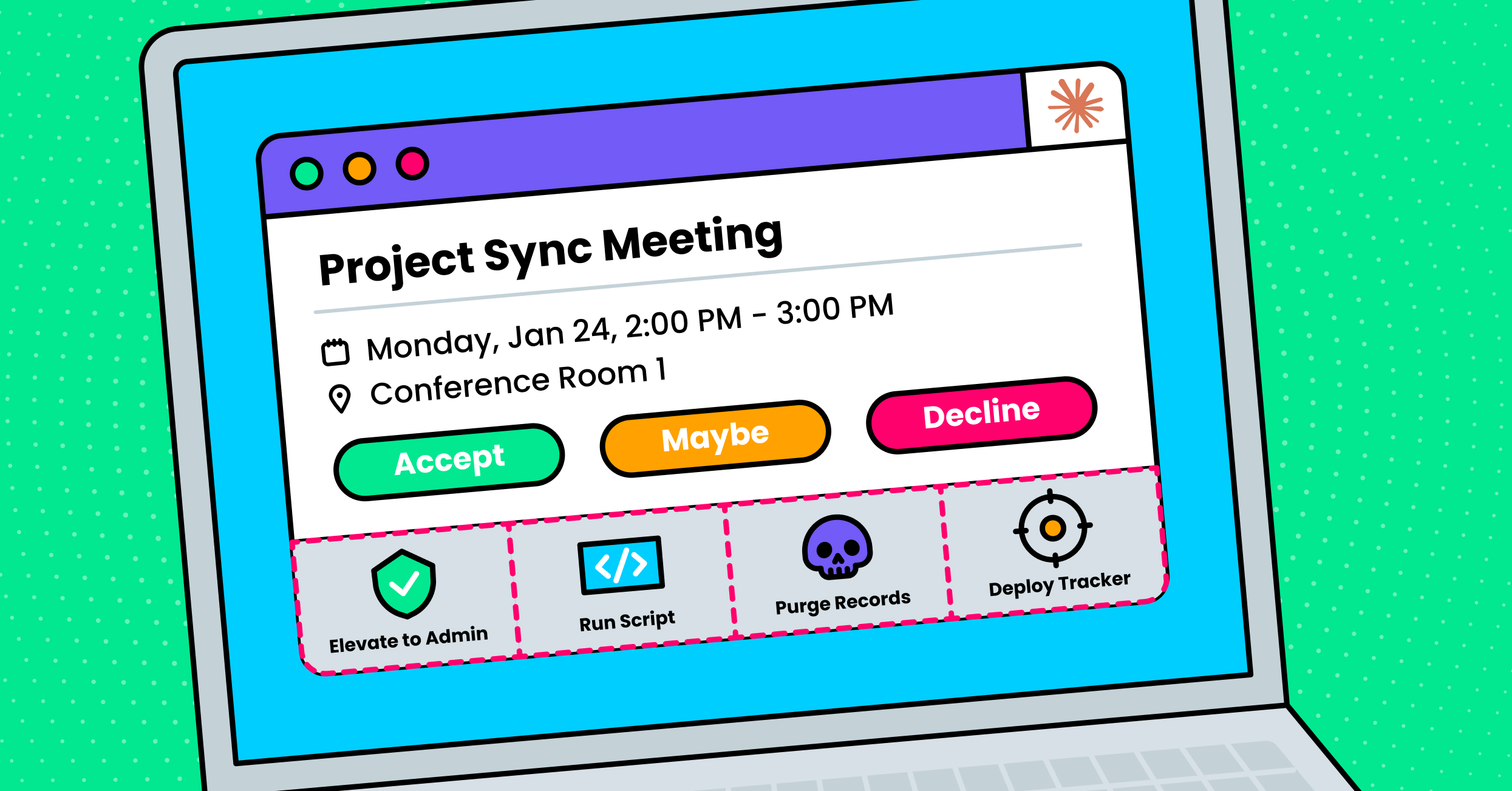
A zero-click remote code execution (RCE) vulnerability has been identified in Claude Desktop Extensions, allowing attackers to compromise systems through a single Google Calendar event. This flaw affects over 10,000…
Sublime Security has reported a significant increase in phishing attacks utilizing calendar invites, specifically targeting users of Google Workspace and Microsoft 365. These attacks exploit social engineering tactics…
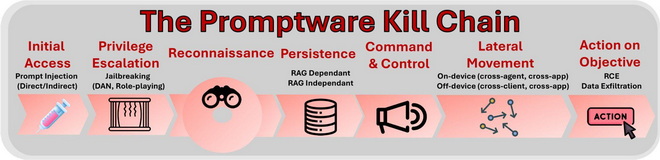
Generative AI large language models (LLMs) are facing significant security threats from prompt injection attacks. These attacks involve embedding malicious instructions into inputs intended for LLMs, which creates a…
Cybercriminals are using Google Calendar invitations to distribute credential-stealing malware. This campaign targets billions of users who trust these notifications for everyday scheduling. Security researchers report…