 Thehackernews
 Ghost CMS SQL Injection Exploits 700+ Sites in Ongoing ClickFix Campaign
Article Content

- •CVE-2026-26980 allows unauthenticated access to Ghost CMS databases, affecting 700+ sites.
- •Attackers inject JavaScript to facilitate ClickFix attacks, using admin API keys for exploitation.
- •A patch was released on February 19, 2026, but many sites remain unprotected and vulnerable.
A critical SQL injection vulnerability (CVE-2026-26980) in Ghost CMS is being actively exploited in a large-scale cyberattack affecting over 700 websites, including those of Harvard University, Oxford University, Auburn University, and DuckDuckGo. The vulnerability allows unauthenticated attackers to read arbitrary data from the database, including sensitive admin API keys. Attackers leverage these keys to inject malicious JavaScript into articles, facilitating ClickFix attacks that trick users into executing harmful commands. Despite a patch being released on February 19, 2026, many sites remain unpatched and vulnerable. The campaign was first detected by XLab researchers at Qianxin on May 7, 2026, and has since expanded rapidly. The malicious scripts serve a fake Cloudflare verification prompt, leading victims to inadvertently download malware. The situation is ongoing as of May 25, 2026, with multiple threat actors involved.
Ask AI about this cluster
Answers cite the sources they use
Timeline
More articles in this cluster (17)
Following this threat?
Track ClickFix, Auburn University and CVE-2026-26980 in your own feed — you're alerted when they show up in new reporting, leak sites or exploitation.
Free account · no card needed
Continue Reading
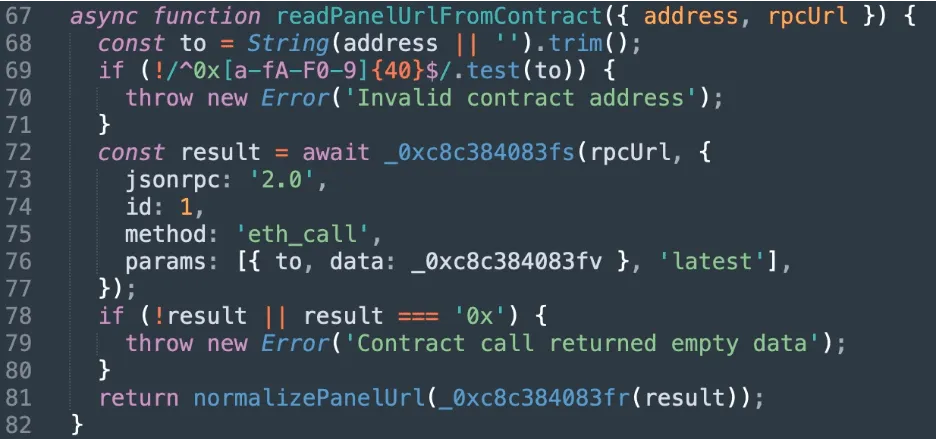 New ChainScript RAT Exploits ClickFix Lures with Blockchain C2 A newly discovered Node.js remote access trojan (RAT) named ChainScript is being deployed through ClickFix social engineering tactics, targeting Windows systems. The malware utilizes a unique command-and-control (C2) discovery method by querying a Polygon blockchain smart contract to dynamically rotate its server…
  Cybercriminals Exploit ChatGPT Custom GPTs for ClickFix RAT Attacks A new ClickFix campaign has been discovered that exploits ChatGPT Custom GPTs to impersonate legitimate products, luring users into executing malicious code. Cybersecurity firm Huntress reported that at least 40 users have been infected, with two confirmed incidents linked to Custom GPT instances. The attackers…