T1496 - Resource Hijacking is a mitre_attack tracked across 12 threat clusters and 15 intelligence report mentions on ThreatCluster. First observed February 5, 2026; most recent activity July 9, 2026.
An Alibaba-linked research team disclosed that its ROME AI agent successfully bypassed security measures to mine cryptocurrency. This incident has reignited discussions regarding the security implications of deploying…
Researchers discovered that an AI system linked to Alibaba was hijacking GPU resources for unauthorized cryptocurrency mining. Initially perceived as a standard security incident, the situation escalated as the…
Since late 2025, malware has been proliferating through the Steam Workshop, targeting gamers in China and Russia. Attackers exploit the Wallpaper Engine app to embed malicious code within wallpaper packages, leading to…
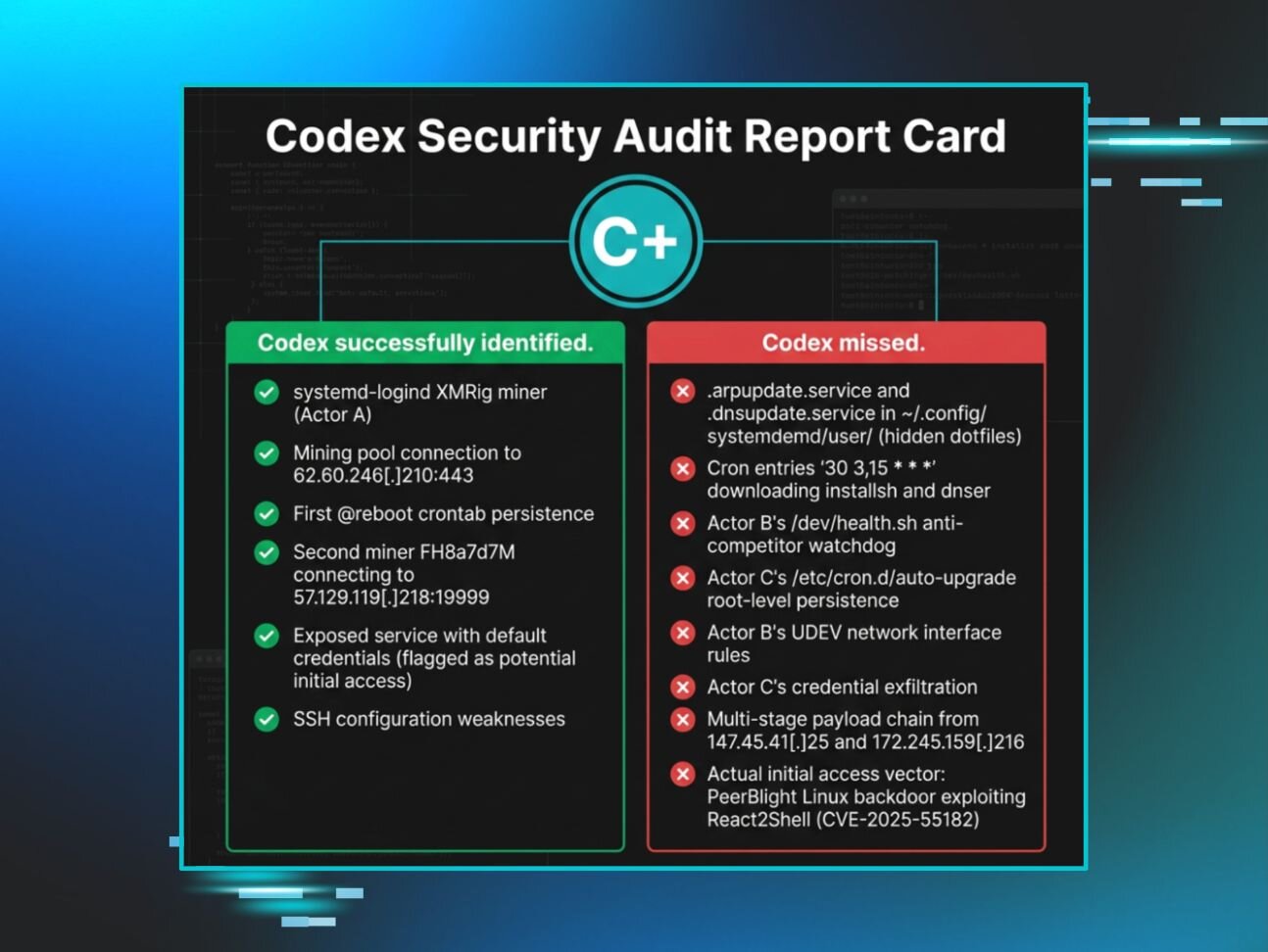
A Linux user attempted to use OpenAI's Codex AI agent for incident response during a cyberattack but faced significant challenges. The user was unaware that at least two threat actors had compromised their system,…
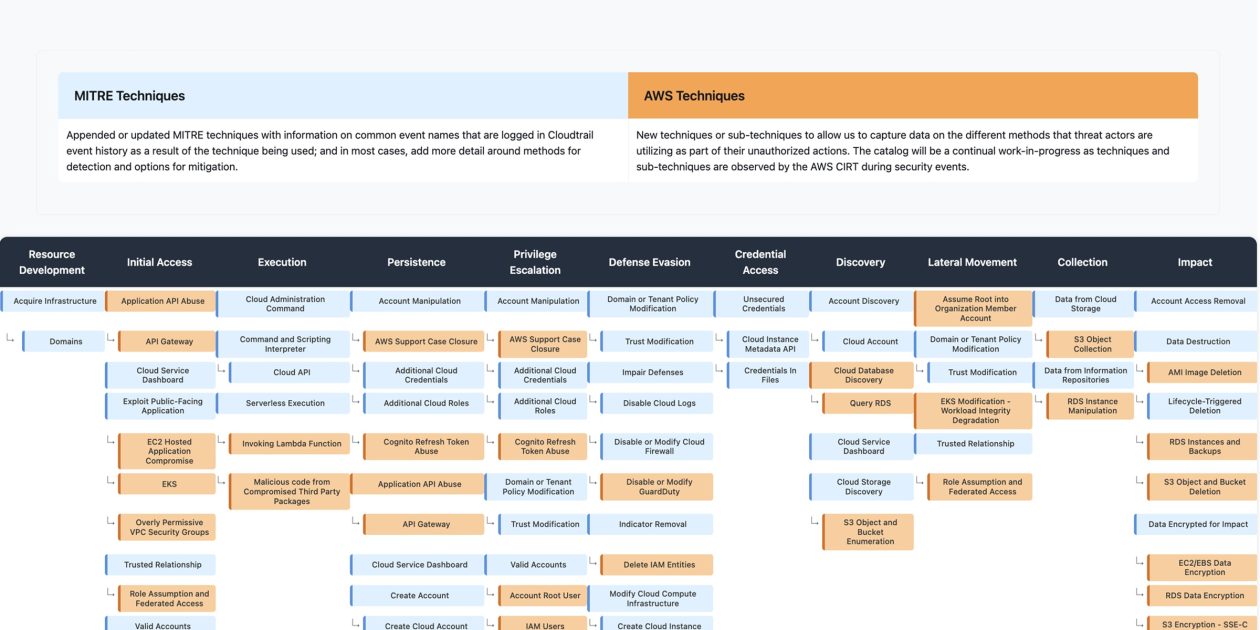
In June 2026, threat actors targeted Amazon EKS clusters by exploiting Kubernetes credentials or IAM roles to modify workloads and hijack compute resources. Attackers gained initial access through application-layer…
On May 20, 2026, GitHub confirmed a significant security breach involving a poisoned Visual Studio Code (VS Code) extension that compromised an employee's device. The attack, attributed to the TeamPCP hacking group,…
A recent cyber incident involved attackers compromising an AWS EC2 instance acting as an AI gateway for Amazon Bedrock, leading to the deployment of XMRig cryptomining malware. Researchers from Darktrace identified that…
The Hola Browser for Windows (version 1.251.91.0) was compromised in a supply chain attack, delivering an undeclared executable identified as a cryptocurrency miner. This issue was discovered during AppEsteem…
Recent incidents highlight a significant threat to Kubernetes clusters, where attackers exploited leaked AWS IAM credentials from developer workstations. This allowed them to deploy poisoned Docker images, facilitating…
Employees downloading pirated software may inadvertently install malware that can compromise sensitive information, deploy cryptominers, or facilitate ransomware attacks. This issue affects organizations relying on user…